Portoviejo River, Ecuador
Project lead: Ichthion Ltd
Introduction
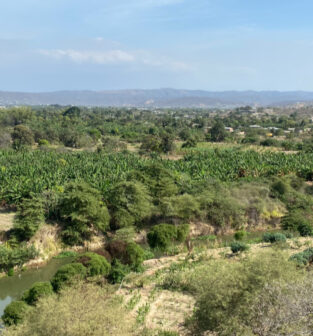
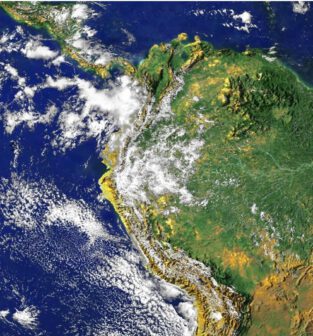
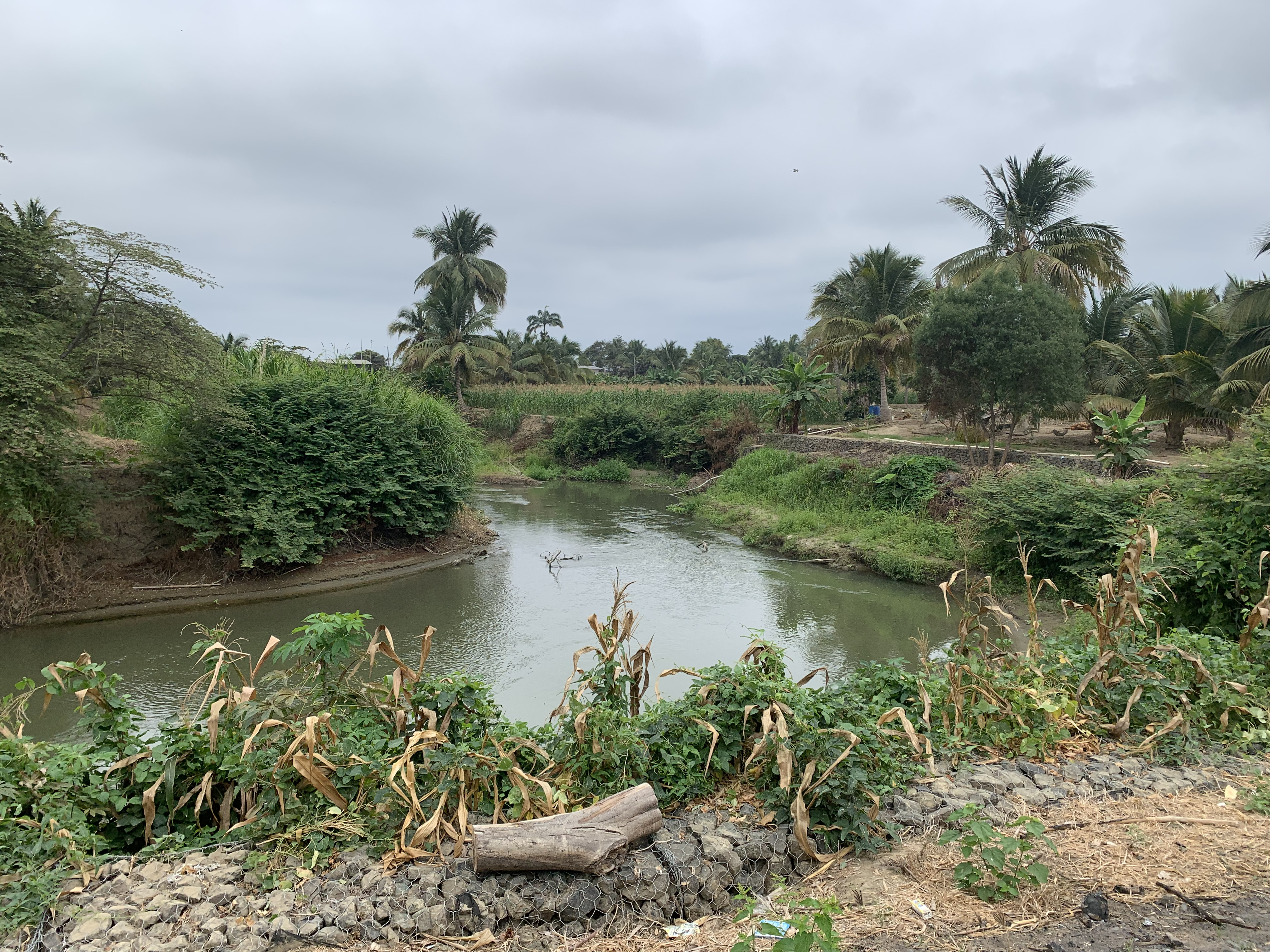
The Portoviejo River flows over 100 kilometers and discharges directly into the Pacific Ocean off the southern coast of Ecuador. The river originates in the Santa Ana municipality and feeds the valley of the Manabí Province, supplying water to over 53% of its urban and rural population. The river supports the Tumbes-Chocó-Magdalena biodiversity hotspot, which fosters mangrove and dry woods ecosystems. It is a lifeline to some of the poorest communities in the country and is an important source of water and natural heritage.
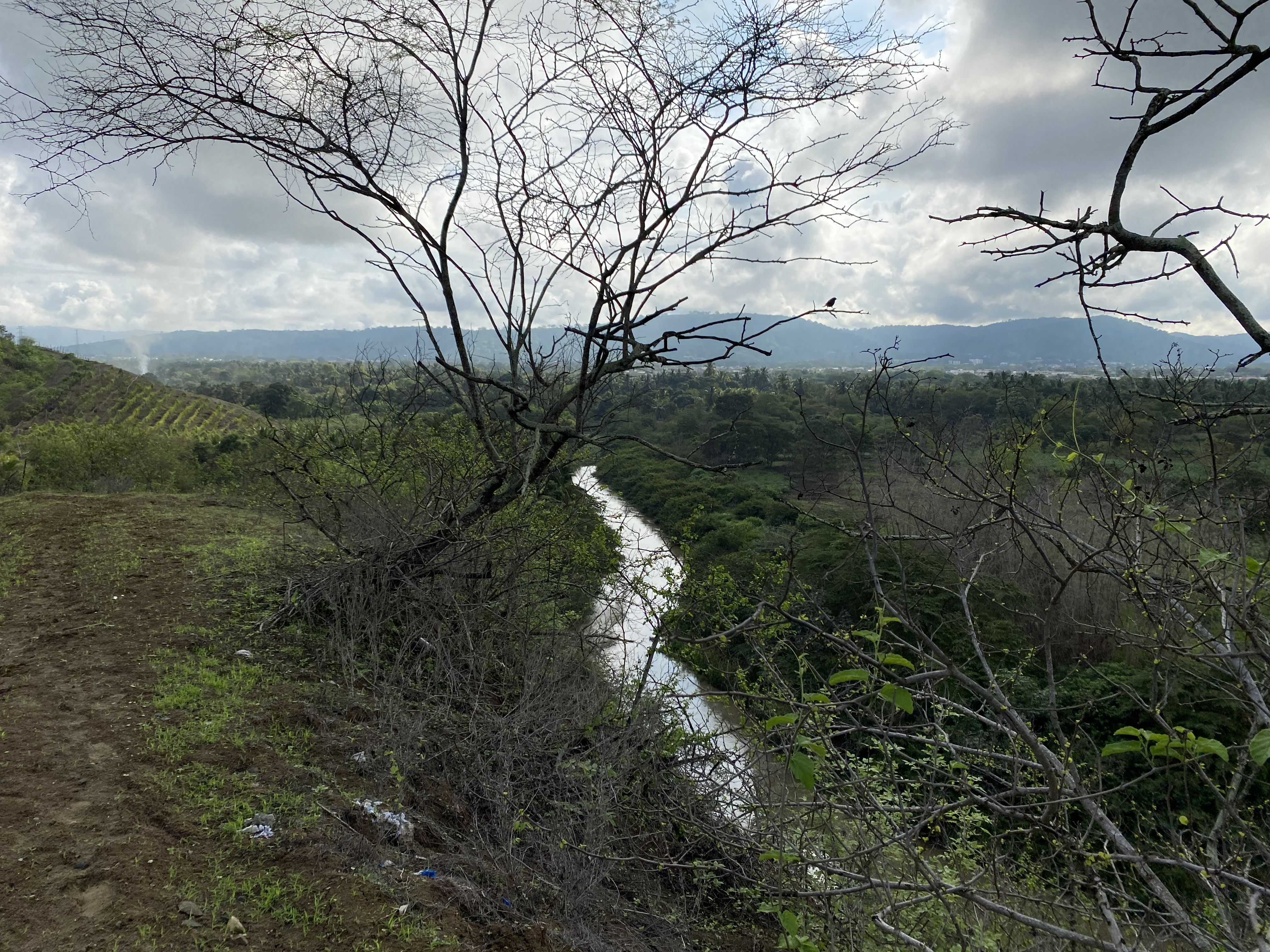
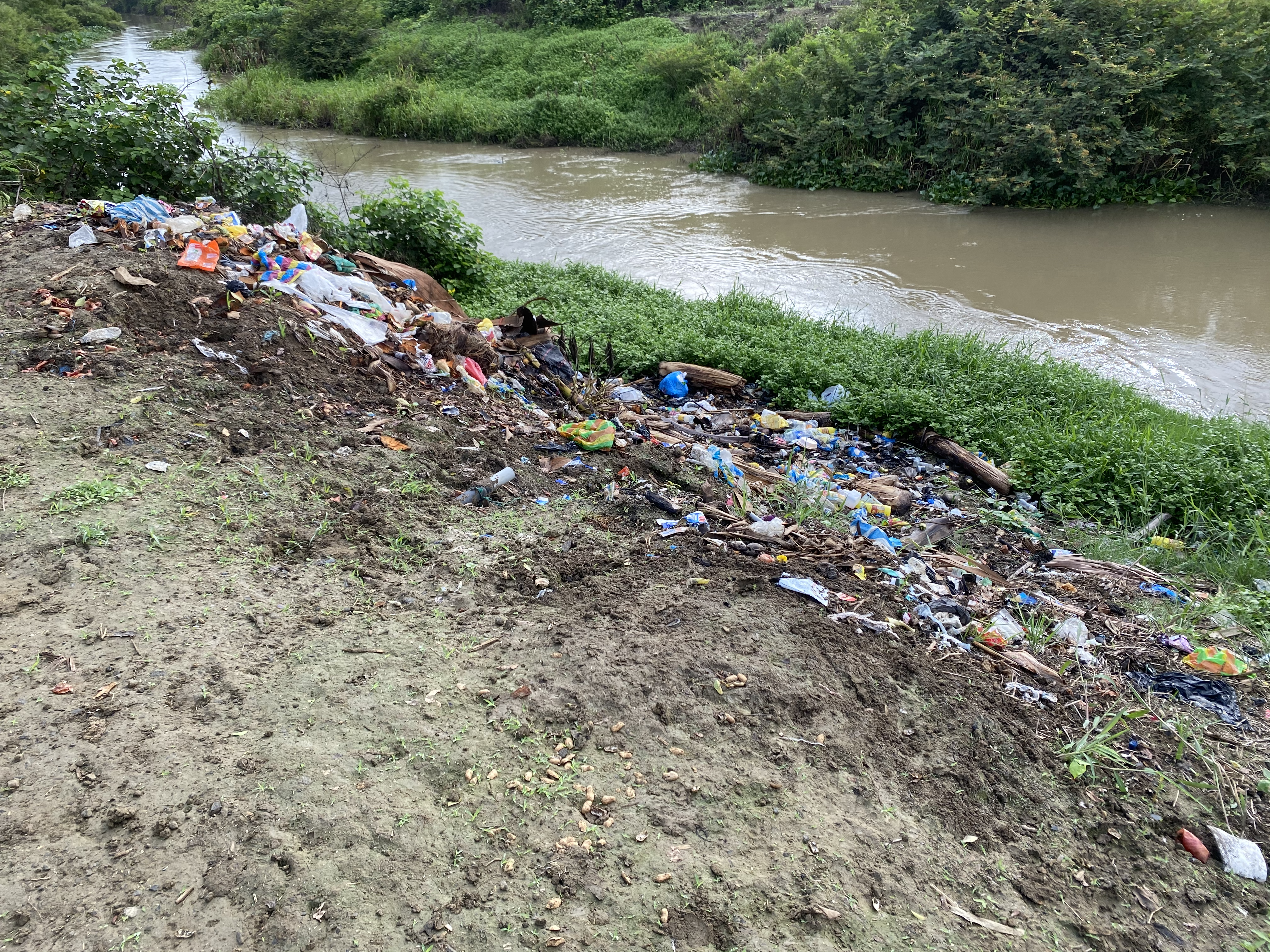
Manabí’s ecosystems are under intense pressure due to human activities such as land use change, intensive agriculture, and mismanaged waste. Each day, over 1,000 tons of waste is produced in Manabí, where inefficient open-sky dumps and pop-up cells are the primary form of waste management infrastructure. Waste collection services reach 90% of the urban areas in this region, meanwhile only 60% of rural areas are covered. For the communities that do not have access to waste collection, it is common practice to dump all waste into the river. These conditions have diminished the Portoviejo River’s ecosystem services and exposed its flora, fauna, and human populations to the adverse effects of pollution.
Ichthion Limited worked to remediate these conditions and prevent further plastic pollution from reaching the Portoviejo River.
Intervention Strategy
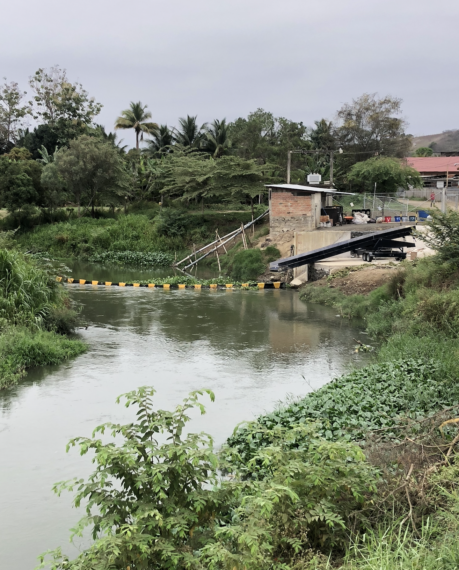
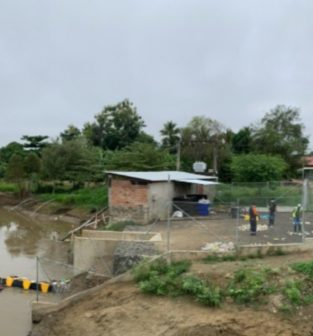
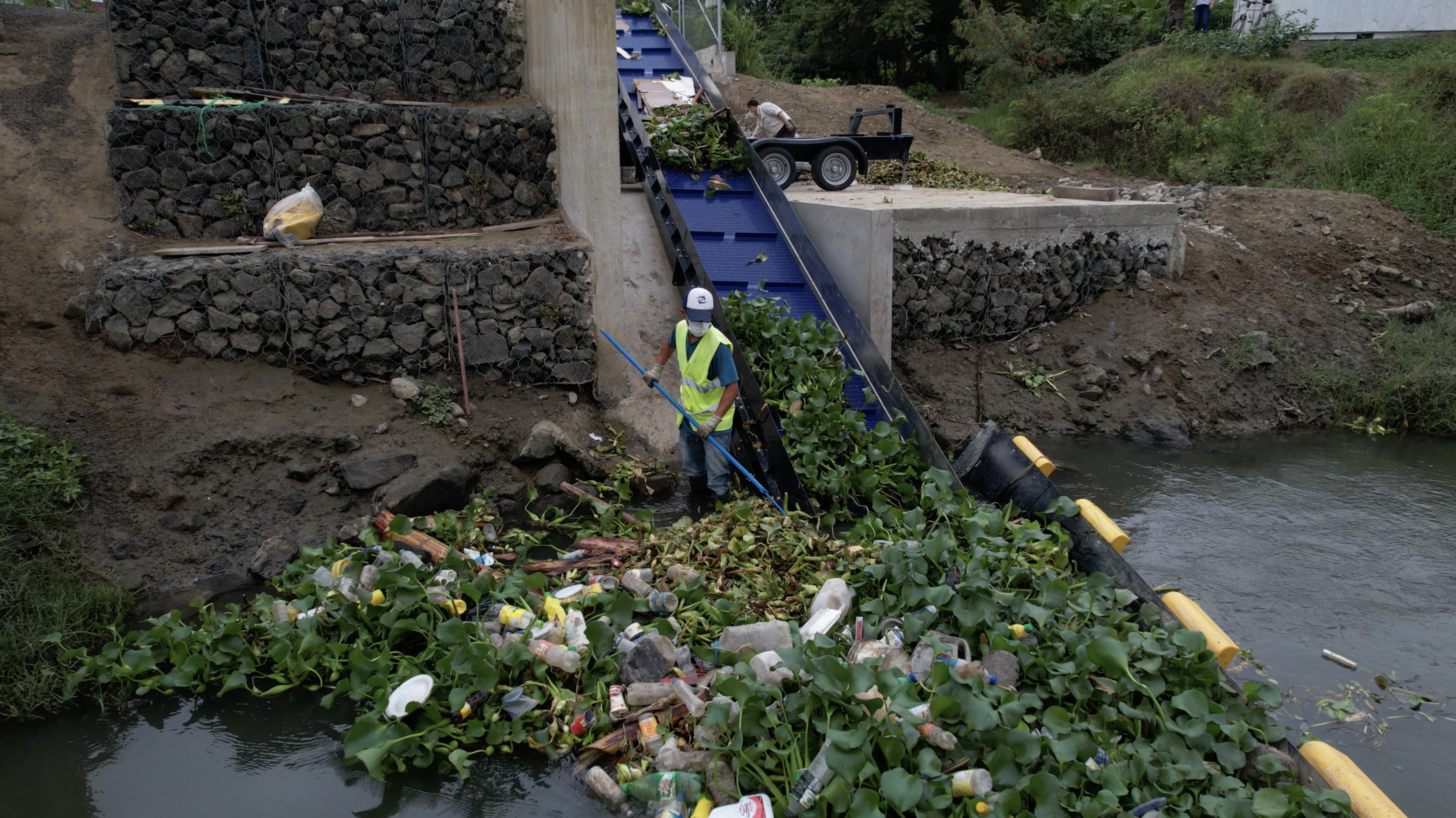
Ichthion Limited used their state-of-the-art Azure System to remove plastic waste from the Portoviejo River. The system consisted of a floating barrier and mechanical conveyor belt that combined the latest research on fluvial pollution with passive fluid dynamics, probabilistic modeling, and material transport. The Azure barrier consisted of a floating curtain that moved with the tidal range of a river, directing intercepted waste to an extraction point, and was designed to avoid the aggregation of physical material within the river channel. The barrier was permeable, preventing upstream-downstream pressure imbalance. The target depth of the barrier allowed fluvial fauna to pass under it and minimized the number of microscopic organisms trapped in the barrier.
At the extraction point, the waste was transported to shore aboard a mechanical conveyor belt where it was processed, sorted, and weighed. Locally-recyclable materials including polystyrene (PS), polyethylene terephthalate (PET), high-density polyethylene (HDPE), and low-density polyethylene (LDPE) were delivered to processing facilities. Optimization of the collection of plastics and their value chain played an important role in the project’s strategy. Ichthion also worked with existing waste miners associations where up to 75% were female recyclers, promoting financial inclusion.
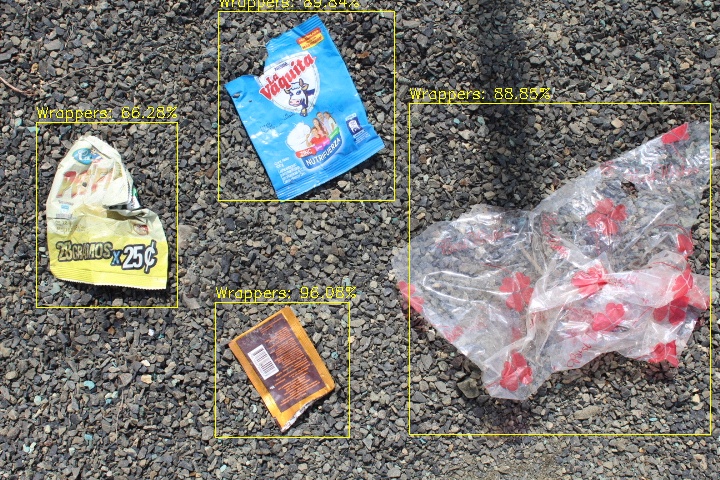
The Ichthion team also developed an object recognition artificial intelligence (AI) system to classify and measure the plastic waste as it was conveyed out of the river. The data generated by the project was used to inform evidence-based decision and policy making at the local, regional, and national levels.
Community Engagement
Ichthion implemented a communications and community engagement plan focused on awareness, education, and behavior surrounding plastic production, use, and disposal. Their data-backed communications strategy leveraged social and traditional media to engage industry, government, and the general public to generate better policy making and industry transformation. Locally, Ichthion hosted river clean ups, educational workshops at schools, and events such as movie nights to involve the community and inspire behavior changes. Along the Portoviejo River, they also restored common dump sites to green spaces and provided proper waste management infrastructure.
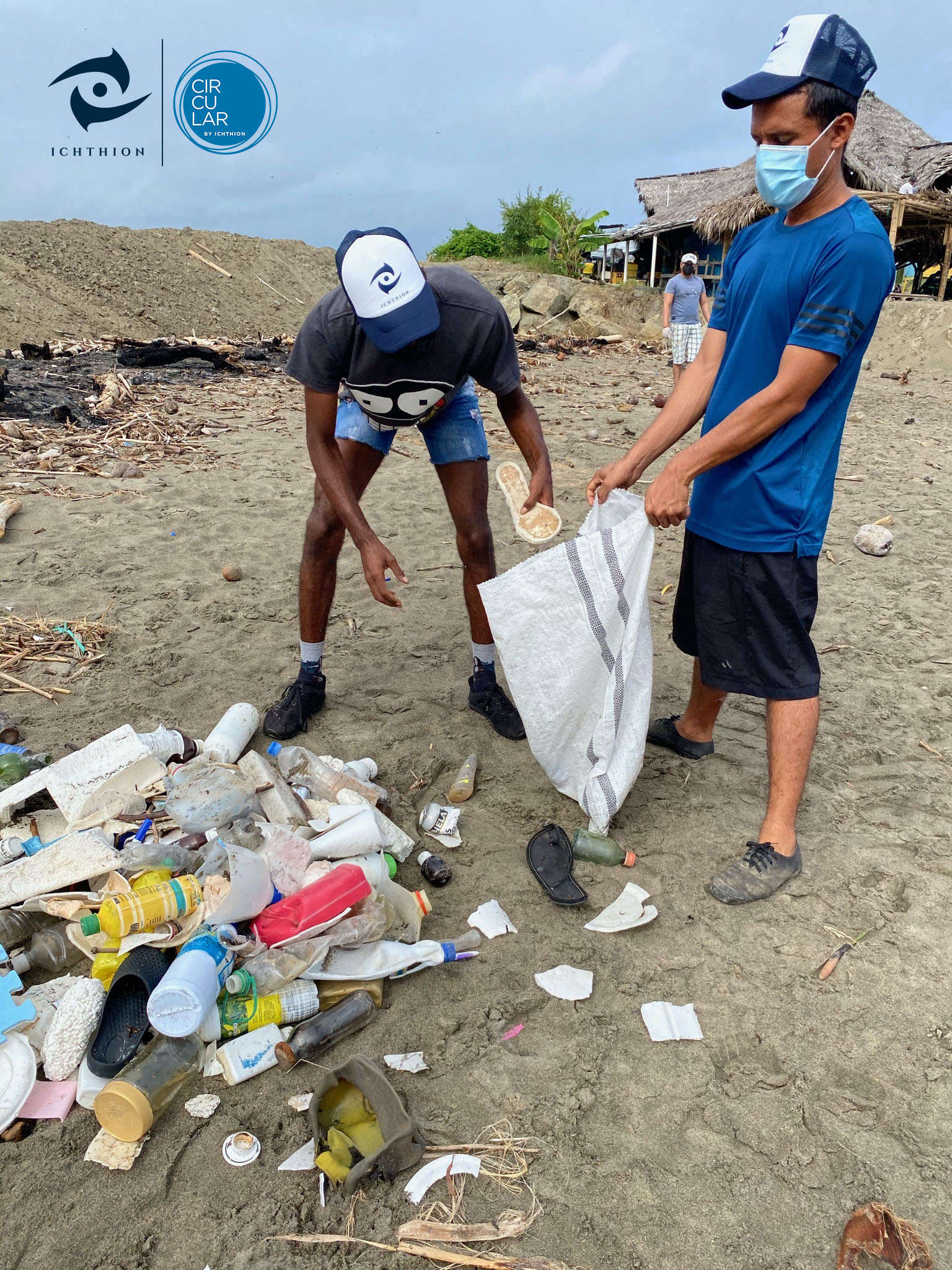
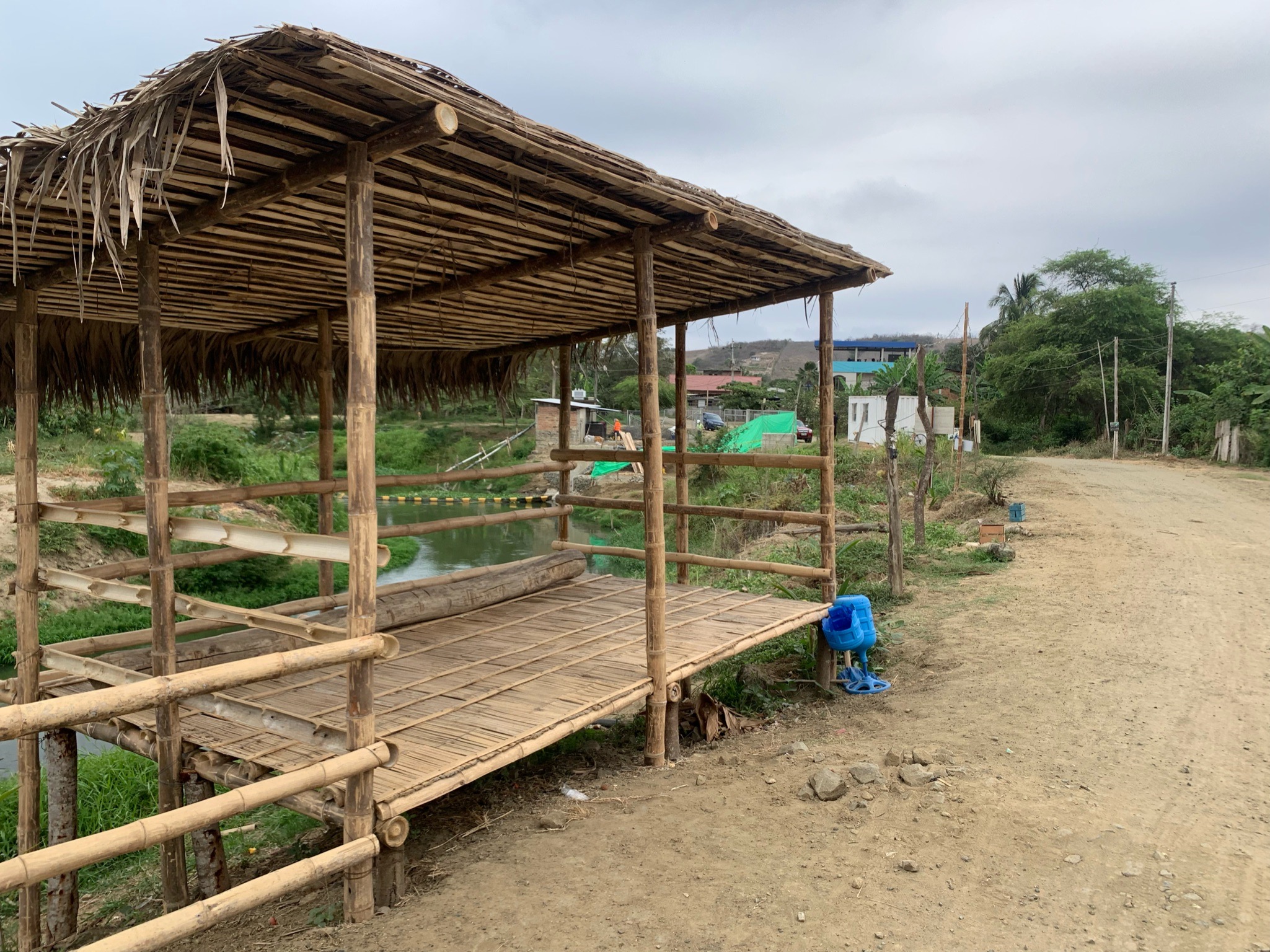
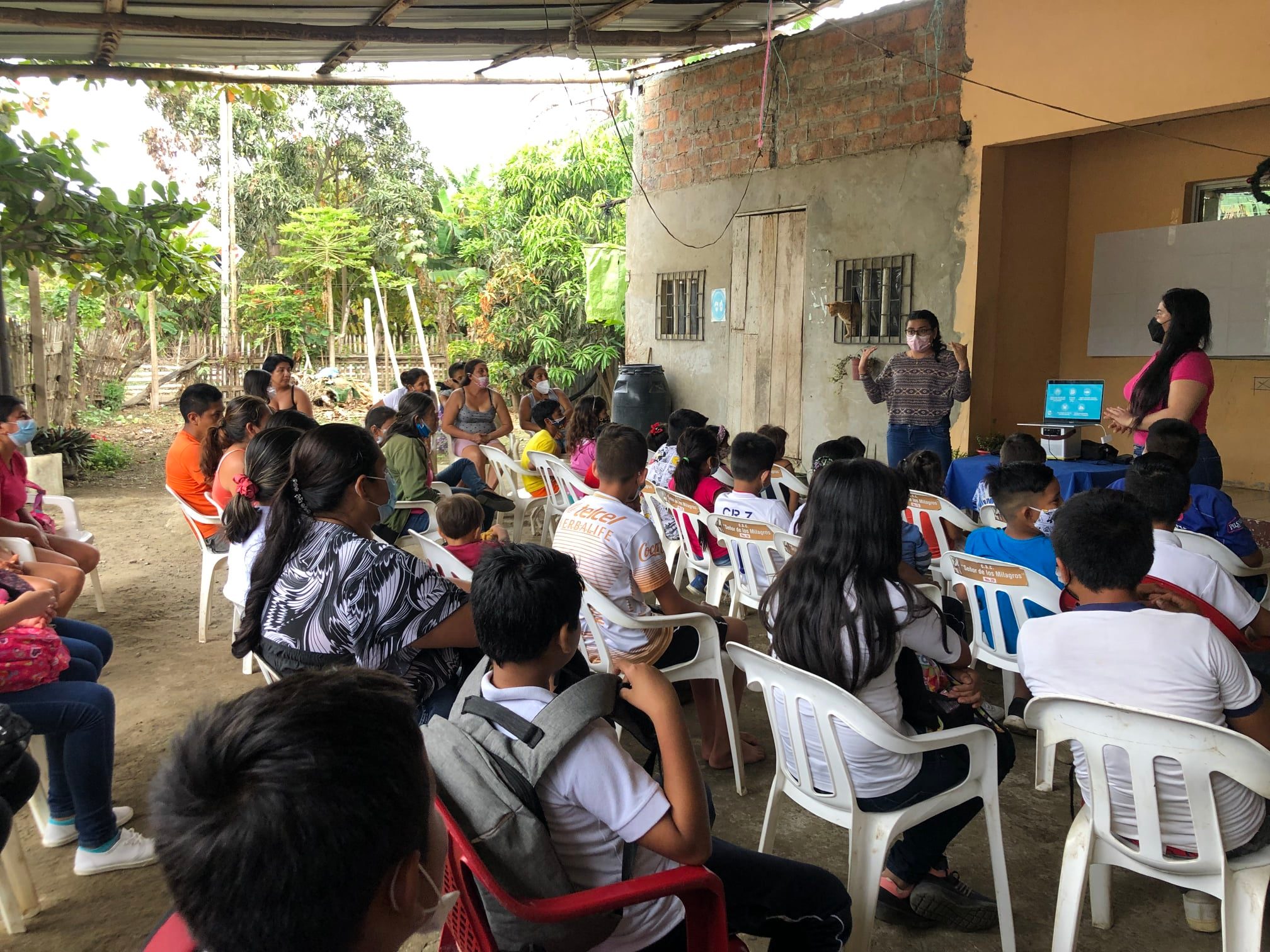
Ichthion promoted systemic change to stop and prevent the flow of plastic reaching the oceans. It focused on supporting equal access to a clean and healthy environment and improving the quality of life for the inhabitants of El Milagro community in Portoviejo, an underserved rural community on the coast of Ecuador. Ichthion identified the opportunity to generate a positive impact through the creation of a baseline for inclusive recycling and good waste management practices in the community, creating partnerships to set the foundation of inclusive recycling and meaningful employment in the area. Therefore, Ichthion promoted an inclusive solution to reduce inequity by working with waste pickers to increase the volume of the plastic collected by the Azure technology and acquire the plastic collected by them at a fair price. Ichthion also promoted responsible consumption through water stations and refillable bottles.
The Team
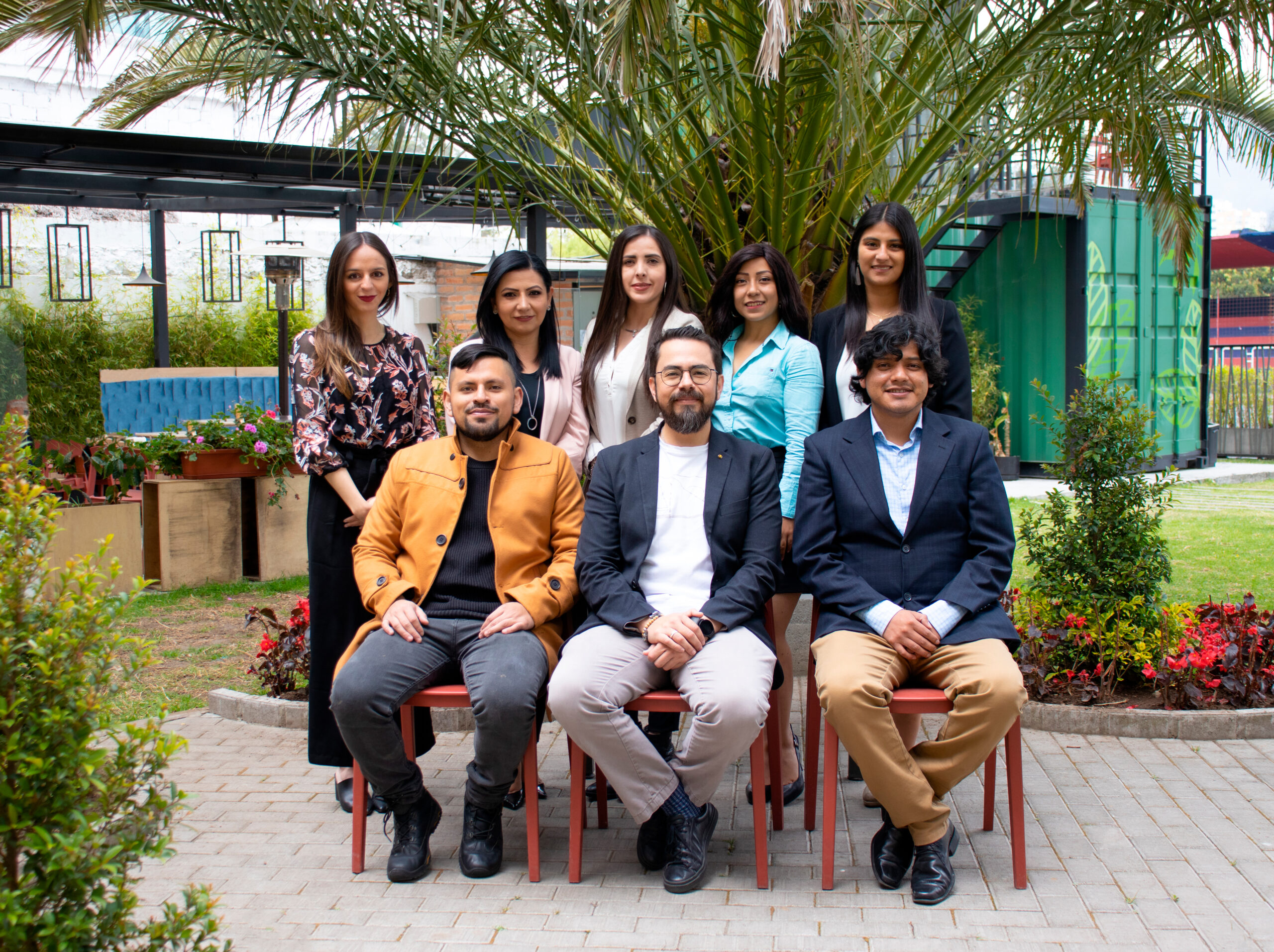
 Ichthion Limited is a multi-award winning company born out of the laboratories of Imperial College London. They seek to overcome the limitations of existing technologies by delivering the first truly scalable solutions to reduce the flow of plastics into the world’s oceans. Ichthion develops energy-generative systems that uniquely can be installed in rivers, coastal areas, and the oceans to remove plastic waste and generate data.
Interested in supporting Ichthion’s work in Ecuador? Donate here