
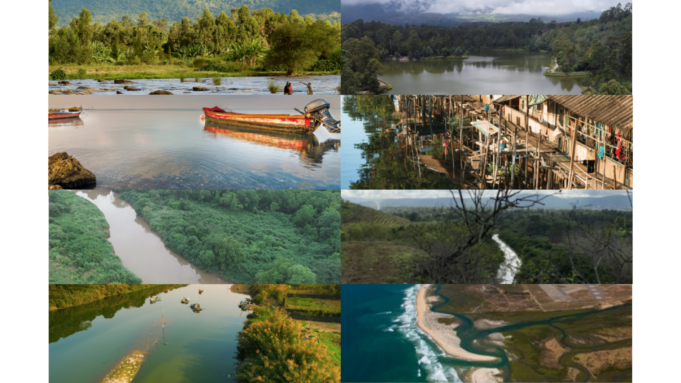
Rivers are the primary pathway that carry plastic pollution to the sea. The Benioff Ocean Science Laboratory sought to develop solutions that target plastic in rivers to stop it before it reaches the ocean. A summit of plastic pollution experts and leaders held at UC Santa Barbara in 2018 led to an open call for proposals for river plastic capture projects. The overwhelming response to this open call revealed a shared sense of urgency worldwide, leading to the selection of eight projects in eight countries across four continents to form the Clean Currents Coalition. Together, these teams work to clean up rivers in their own communities while sharing knowledge and lessons learned to scale their impact globally.
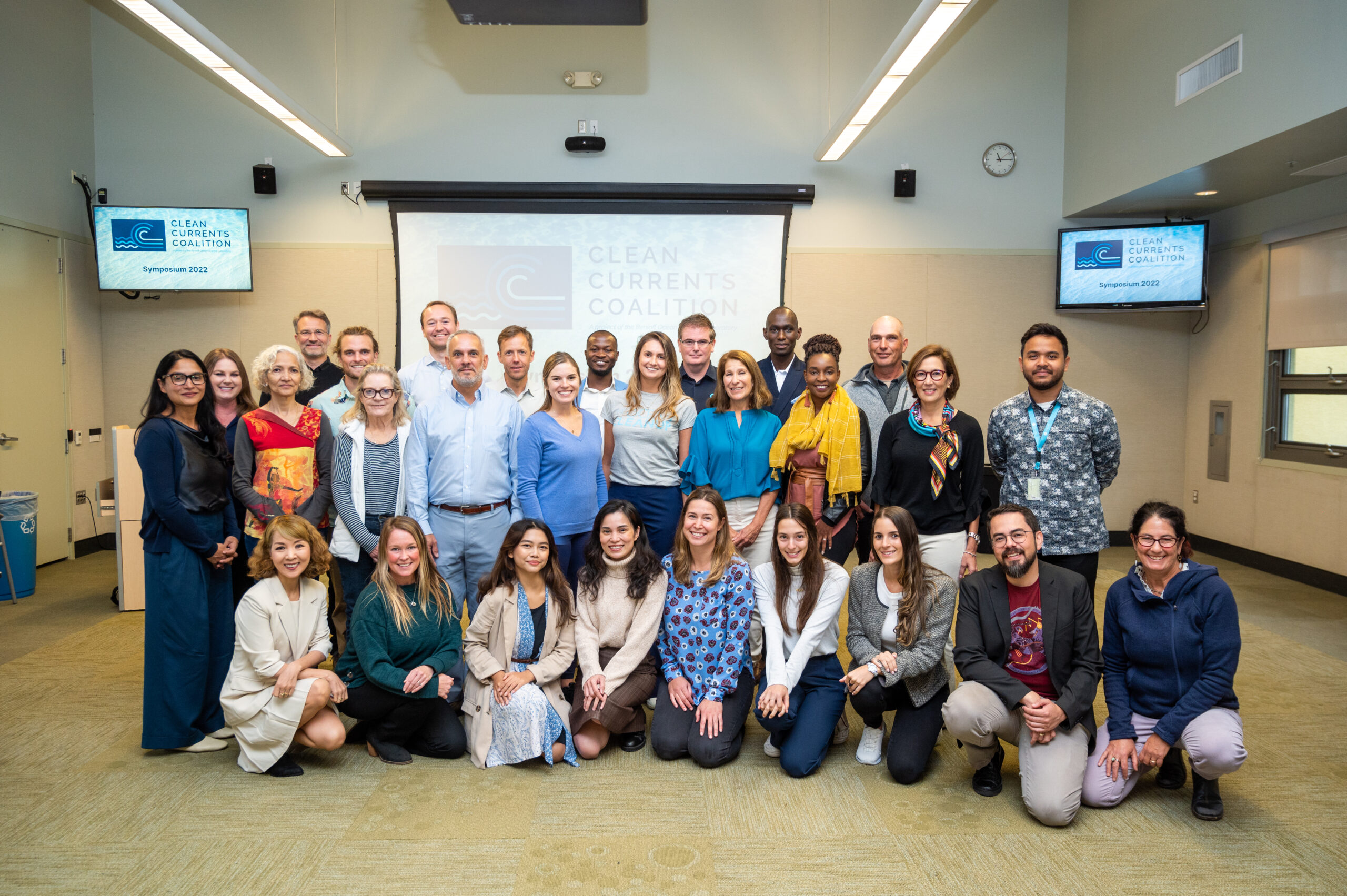
In 2022, the Coalition gathered at UC Santa Barbara for the first in-person symposium. At these annual Coalition symposia, the project teams come together to share knowledge and ideas and work together to overcome challenges. By 2023, the Coalition had collectively removed 1 million kilograms of plastic from rivers worldwide. That momentum has continued to grow. In 2025, the Coalition partners published a peer-reviewed solutions-driven research analysis in the Journal of Environmental Management using data collected from Coalition projects—the world’s largest database on macroplastic pollution in rivers.
Today, the Coalition has captured and removed over five million kilograms of ocean-bound plastic from rivers. This work would not have been possible without the collaboration and partnership across the Coalition. Teams regularly came together to share knowledge, support one another, and discuss successes and setbacks. Plastic pollution is an enormous challenge that no single group can solve alone.
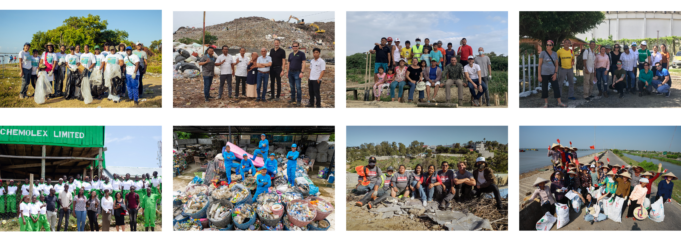
Now, the Coalition is sharing all of the knowledge they gained so that more players can join to overcome this crisis.
Sharing what we’ve learned
The Field Guide for Cleaner Currents is an open-access collection of lessons learned, case studies, and practical guidance drawn directly from the experiences of Coalition projects. It provides a roadmap for organizations interested in developing and operating river plastic capture projects. The Field Guide consists of two companion resources: The Tool (web-based interactive tool) and The Handbook (written document).
Explore The Tool to take an interactive journey through the stages of a plastic capture project—from securing permits and funding to collecting debris data, managing recovered waste, engaging local communities, and more. Aligned around ten guiding principles, the Field Guide centers on local knowledge, long-term planning, collaboration, and community empowerment.

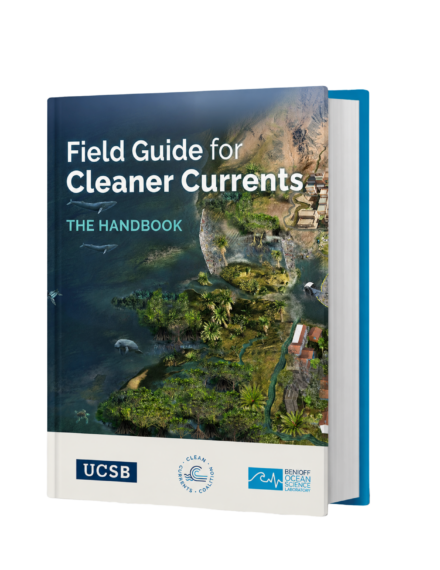
For readers interested in taking a deeper dive, or for practitioners seeking to build on the Coalition’s experience and launch projects of their own, The Handbook offers a comprehensive start-to-finish walkthrough of every aspect of developing and sustaining a river plastic capture initiative. It is filled with reflections, insights, and practical recommendations from Coalition members.
Solving the plastic pollution crisis requires collaboration, knowledge-sharing, and innovation. By making these resources openly available, we hope others can learn from the Coalition’s experiences, apply and adapt those lessons to their own communities, and push this work even further.
Together, we can create cleaner currents and bring about a more sustainable future for all.
Explore the Field Guide for Cleaner Currents: https://cleancurrentscoalition.org/field-guide/