
Field Guide for Cleaner Currents
Over six years, in eight diverse river systems spanning eight countries across four continents, the Clean Currents Coalition collectively amassed a wealth of knowledge and experience for the development, implementation, and operation of river plastic capture projects. The lessons learned, common challenges and solutions, and actionable advice emerging from the Coalition projects are documented and compiled in this comprehensive, open access, and sharable resource aimed at increasing the success and maximizing the impact of similar projects.
Together we can turn off the tap of plastic pollution, one river at a time.

START YOUR JOURNEY
PINCH, SCROLL, OR DRAG TO NAVIGATE

Permits
Permitting is a necessary step in the implementation of all river plastic capture projects, but the specific permit types and requirements will vary by location. Acquiring permits includes conducting thorough research and preparation, building trusting relationships with stakeholders involved in the process, and navigating unforeseen delays.
Intersectional Guiding Principles


Key Insights
- Develop comprehensive knowledge of the local regulatory landscape and permit processes.
- Budget for permit application fees and costs with a buffer for unforeseen expenses.
- Build positive relationships and trust with permit agencies and stakeholders.
Experience from the Field
Clean Currents Coalition, Global
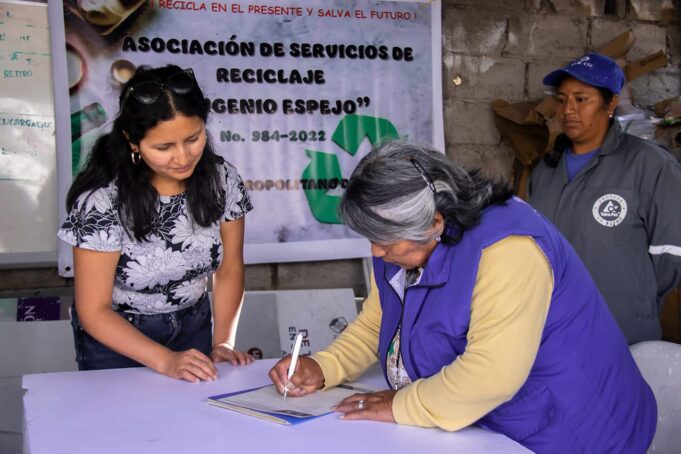
Communication starting early and often with municipal, state/provincial, and national officials was critical across all projects, no matter the location or how stringent the regulatory landscape. The scope of these river plastic capture projects was often new to permitting officials, resulting in delays to navigate bureaucracies and determine what permits were required, what information would be needed, and who should be involved.

Site Selection
Selecting a suitable site for the physical river plastic capture infrastructure is essential. Be prepared to consider multiple prospective sites, analyze trade-offs, and have backup options should the initial selection present insurmountable challenges.
Intersectional Guiding Principles


Key Insights
- Observe prospective sites early in project development over multiple seasons and conditions.
- Collect hydrological, pollution load, debris composition, and other important data.
- Consider multiple sites and/or rivers and be prepared to be flexible and adaptable.
Experience from the Field
Marea Verde, Juan Díaz River, Panama City, Panama
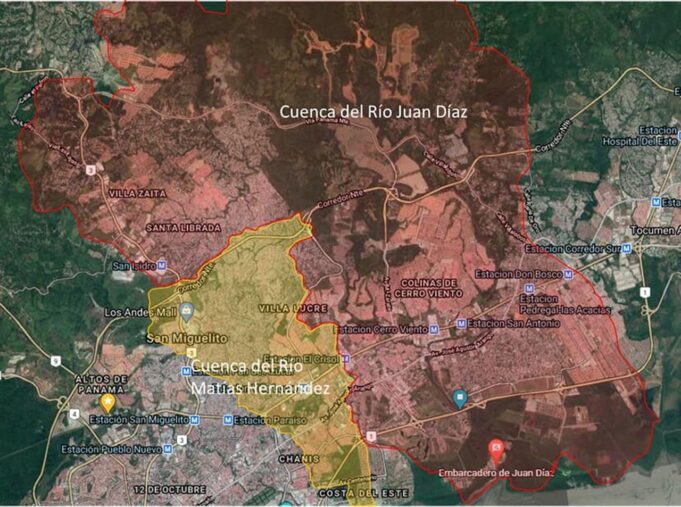
After a year of project development, a few members from the community adjacent to the selected site expressed antagonistic “not-in-my-backyard” concerns about the project. These detractors proved unwilling to collaborate for a solution in good faith, so Marea Verde moved their project to a different river and successfully alleviated any concerns from the outset with the new community.

Plastic Capture Technology Selection
Selecting a plastic capture technology and designing the operational procedures requires a unique approach that is tailored to the local conditions. Despite careful planning, remaining adaptive with iterative adjustments and improvements to the technology and operations process may be necessary over time.
Intersectional Guiding Principles
Key Insights
- Consider the future operation, maintenance, and repair requirements of capture technology.
- Ensure installation and operations are feasible—physically, financially, and practically.
- Select technology and processes tailored to withstand the unique challenges of a site.
Experience from the Field
Ichthion Limited, Portoviejo River, Portoviejo, Ecuador
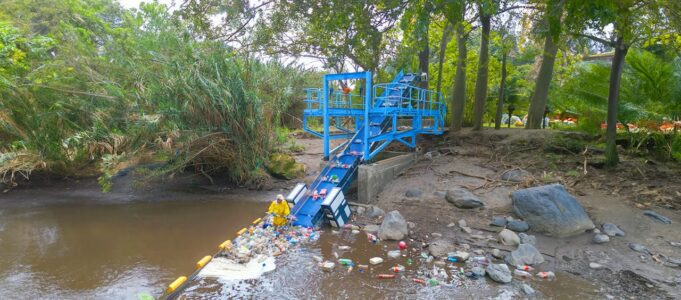
The initial use of a highly engineered technology at a remote location of the Portoviejo River increased logistic challenges for the more frequent maintenance and repair needs associated with complex capture systems. From this experience, Ichthion Limited designed a simpler technology when the project expanded to a second capture site.

Waste Management
Once plastic is captured from a river, it is crucial that this waste is managed properly to avoid it entering the environment again. In many cases, delivering captured plastic to a sanitary landfill may be the only available solution; other options may include recycling, incineration, or waste-to-energy.
Intersectional Guiding Principles

Key Insights
- Identify all possible waste management solutions available in the site selection process.
- Budget for fees, expenses, and possible revenue associated with waste management.
- Understand local capacity to recycle, which is often limited or non-existent in some areas.
Experience from the Field
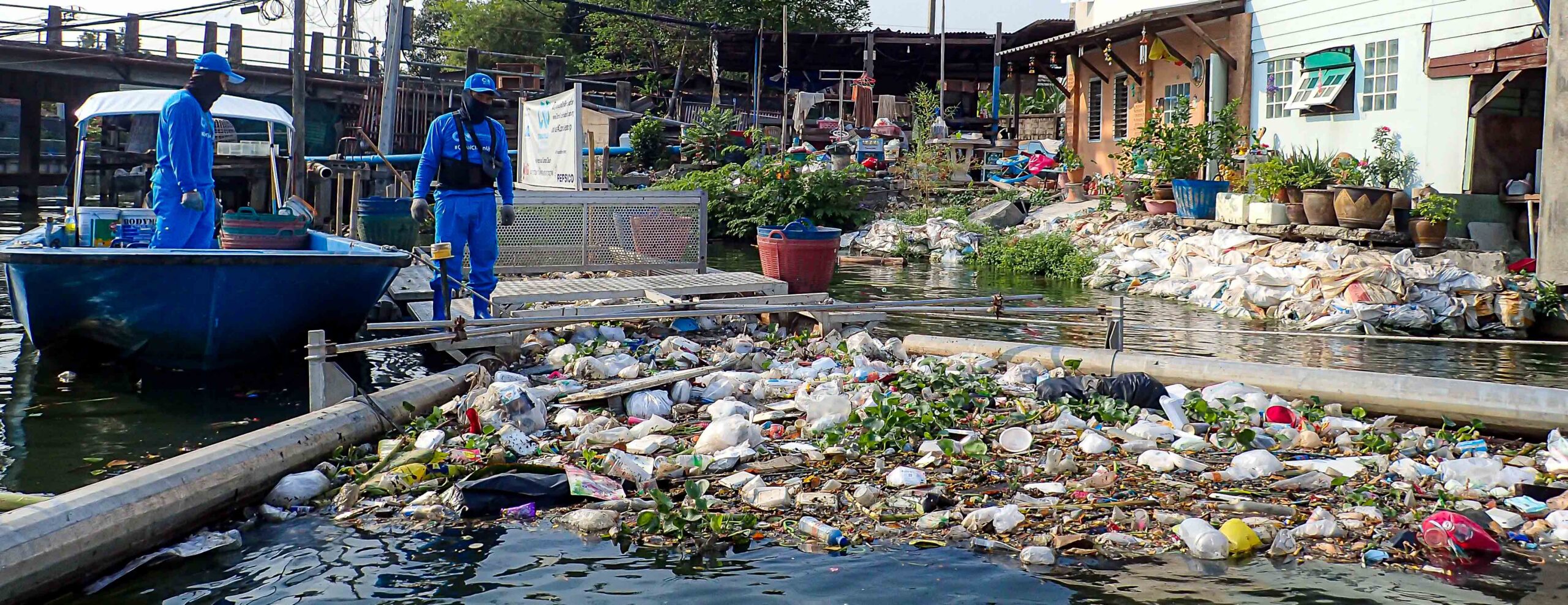
TerraCycle Global Foundation, Lat Phrao Canal, Bangkok, Thailand
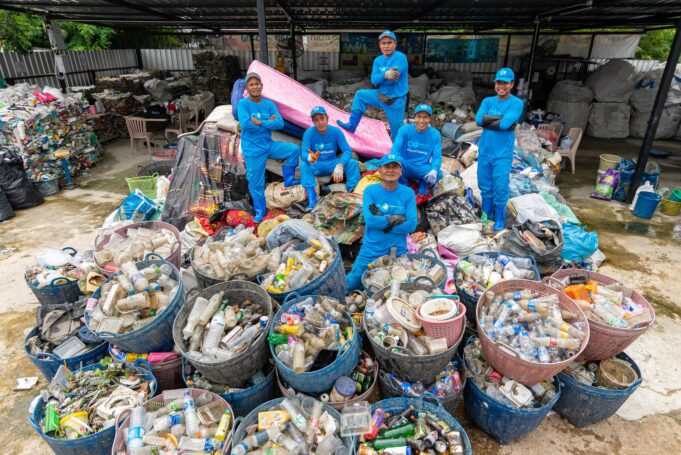
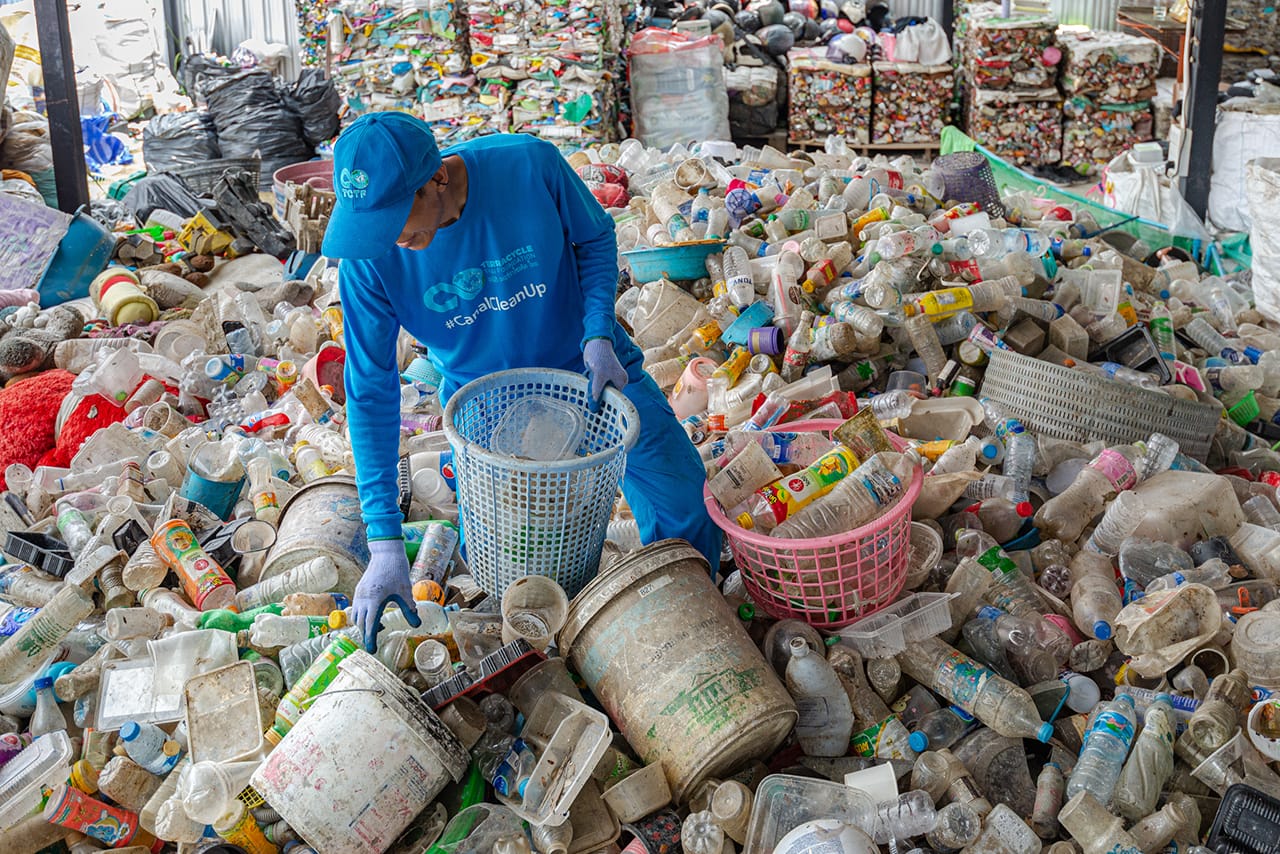
Operating on a “no waste to landfill” policy, the TerraCycle Global Foundation invested in meticulous washing, drying, and sorting of captured plastic to maximize the fraction suitable for recycling. The remaining captured plastic was used as feedstock at a local waste-to-energy facility.

Infrastructure Installation, Operations, & Maintenance
Maintaining physical infrastructure in harsh environments like rivers invariably requires considerable experimentation and trial and error. Hardware maintenance and repairs are inevitable, but capture devices and operational protocols can be designed with flexibility in mind to enable improvement over time.
Intersectional Guiding Principles
Key Insights
- Create an equitable, respectful, and safe environment that prioritizes people and the planet.
- Design operations with adaptability and flexibility as project scope and resources allow.
- Commit to long-term operations and never abandon derelict infrastructure in a river.
Experience from the Field
Greeneration Foundation, RiverRecycle, & Waste4Change (Citarum Repair Project), Citarum River, Bandung, Indonesia
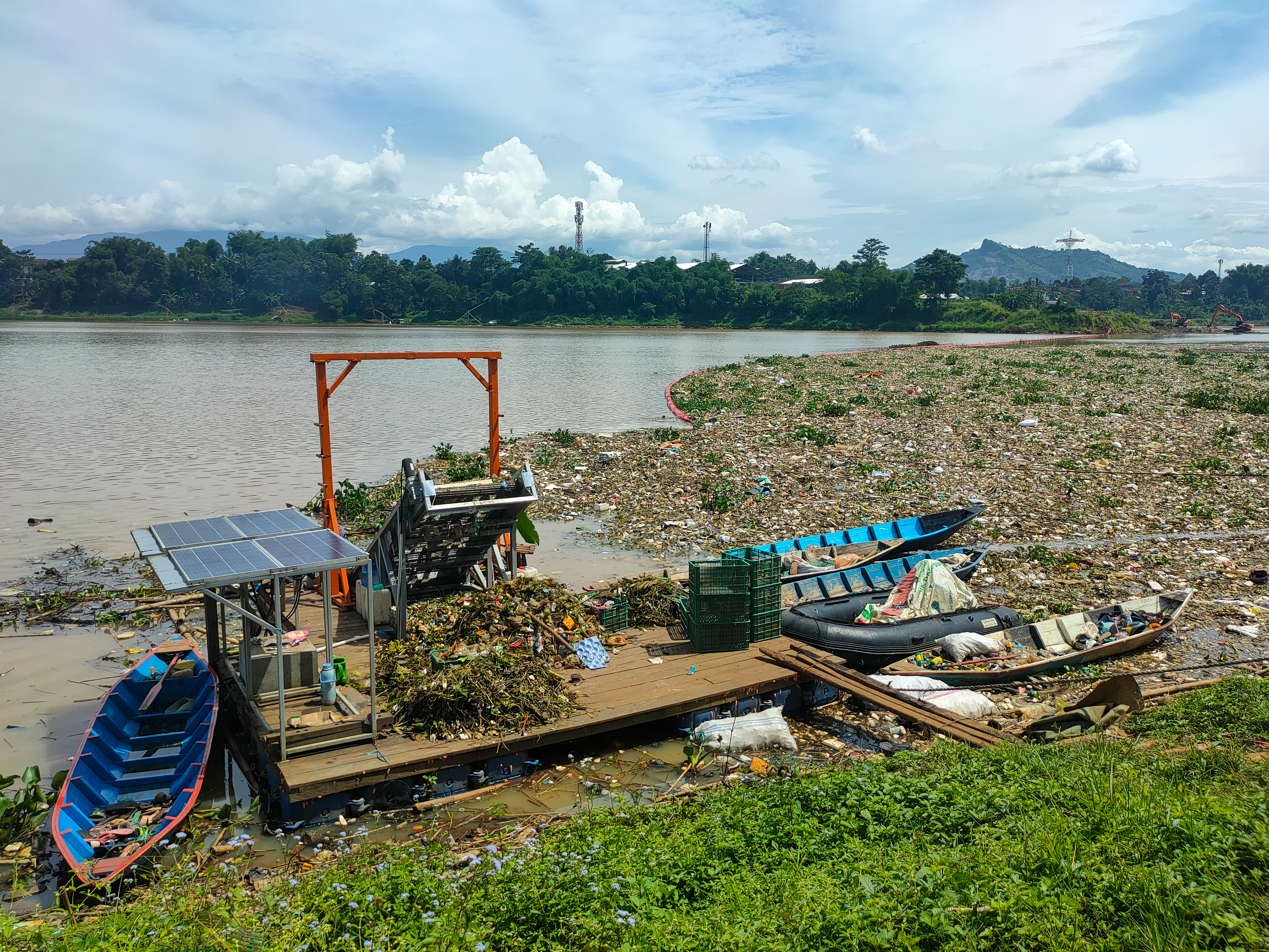
Issues with international importation of hardware, large magnitude seasonal shifts in water level, and massive outbreaks of water hyacinth were all challenges faced in the dynamic Citarum River. Through iterative, flexible, and creative adaptations, the Citarum Repair project was able to overcome the challenges posed by the local environment.

Data Collection
River plastic capture projects provide a strategic opportunity to collect detailed data on plastic pollution. These data can be used to inform more efficient upstream solutions that target the main sources of plastic pollution and can be used to track project impact.
Intersectional Guiding Principles

Key Insights
- Establish clear, consistent, and well-documented data collection protocols.
- Design data collection methods that are operationally feasible—start simple and expand.
- Consider metrics that include total and sorted plastic categories and end-of-life fates.
Experience from the Field
Ocean Conservancy & the Centre for Marinelife Conservation and Community Development (SPLASH Project), Red River, Nam Dinh, Vietnam
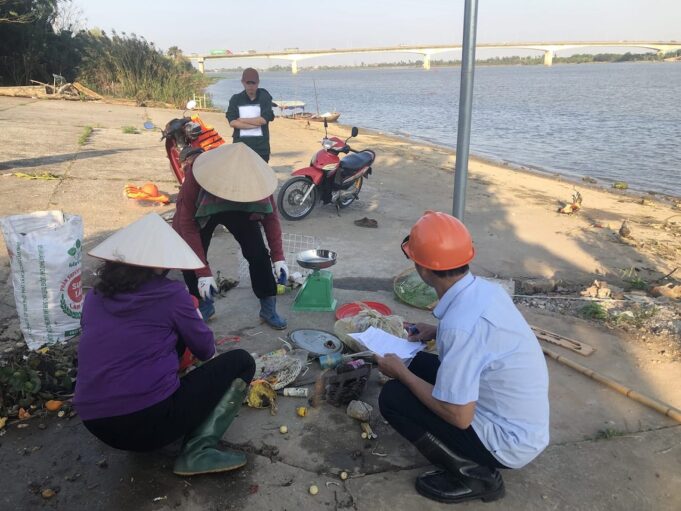
Captured plastic was meticulously sorted and weighed using standardized data collection protocols; surveys of local community members were also conducted before, during, and after to measure the SPLASH project impact. This enabled the opportunity to analyze the effectiveness of local upstream plastic pollution policies and the progress of the project over time.

Community Engagement, Investment, & Empowerment
Every phase of a project is more successful when there is local community support, leadership, and input. Invest in the community by offering local employment, building capacity through workshops and training, and providing tools that empower self-sustained, long-term solutions.
Intersectional Guiding Principles
Key Insights
- Identify and connect with community leaders, figures that will differ by culture or location.
- Take a community-first approach that respects local input in project decisions, development, and implementation.
- Collaborate with diverse stakeholders: governments, the private sector, nonprofits, etc.
Experience from the Field
WILDCOAST, Los Laureles Canyon, Tijuana, Mexico
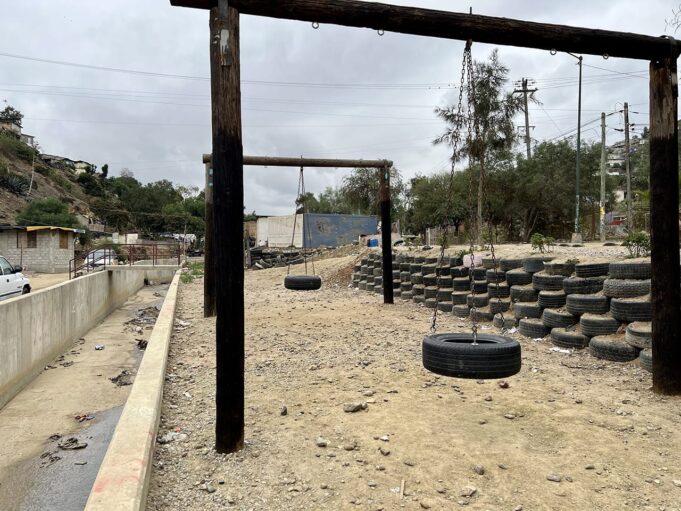
With the hundreds of tires collected from the riverbed and adjacent areas, WILDCOAST built a riverside park complete with tire swings and an enclosed fútbol (soccer) field. The project provided the tools – shovels, saws, gloves, etc. – needed by the Los Laureles Canyon community to take the development of local solutions into their own hands.

Communications, Education, & Media
River plastic capture projects provide unique access and opportunities for education campaigns, impactful communications, and media engagements. These efforts can help bring awareness to the problem, promote solutions, increase local support, pressure governments to take action, and be a powerful asset for fundraising.
Intersectional Guiding Principles
Key Insights
- Recognize the value of traditional and digital media engagement and youth education programs for creating systemic change.
- Leverage visual stories such as public art installations and diverse creative and programmatic approaches.
- Develop a consistent and recognizable style and brand that is tailored to the cultural context and audience.
Experience from the Field
The Ocean Cleanup, GraceKennedy Foundation, & Clean Harbours Jamaica (Kingston Harbour Cleanup Project), Kingston Harbour, Kingston, Jamaica
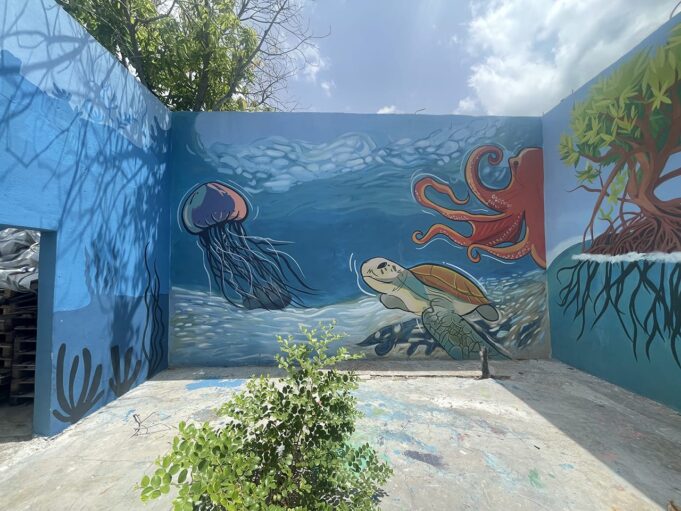
Globally, the Kingston Harbour Cleanup Project drove awareness of the problem to over 1,000,000 people on average per month on social media by leveraging high-quality visual assets. Locally, the project promoted solutions through interactive youth education programs hosted at an on-site visitor center featuring beautiful murals and artwork made from captured plastic.

Finance & Budget
Comprehensive financial planning and management for river plastic capture projects is a complex undertaking that requires detailed attention and forethought. Plan to secure financial support from a combination of sources, and budget for the long-term with contingency for unexpected expenses.
Intersectional Guiding Principles
Key Insights
- Secure funds upfront for sustainable long-term operations and maintenance, when possible.
- Incorporate contingency funds into the budget for unexpected expenses.
- Pursue multiple financial support sources and strategies to build resiliency.
Experience from the Field
Chemolex Company Limited, Athi River, Nairobi, Kenya
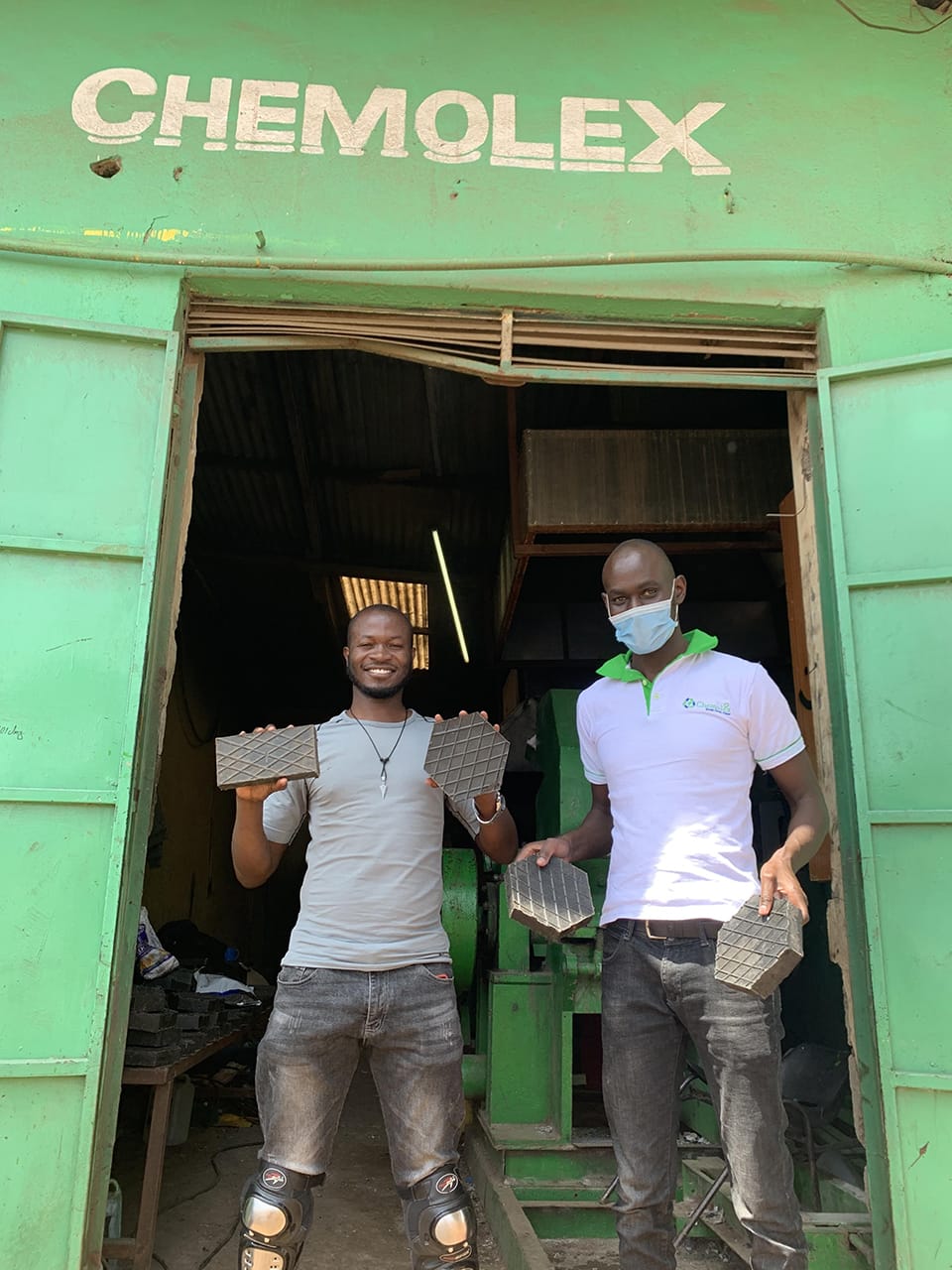
Instead of relying exclusively on traditional sources of funding like grants, donations, and awards, Chemolex Company Limited used captured plastic as feedstock material to manufacture paving bricks and other construction materials. These products were then brought to market and sold to support project operations.
Guiding Principles
These ten guiding principles are the most fundamental recommendations for success gathered from the experience of the Clean Currents Coalition that are applicable throughout many phases of a river plastic capture project.*
- Leverage the project to turn off the upstream sources of plastic pollution
- Anticipate and plan for unpredictable delays and expenses
- Work with people that want to work with you
- Maintain autonomy of local leadership and respect for community voices
- Develop positive relationships with local, regional, and national governments
- Tailor the project to local environmental, social, economic, and cultural contexts
- Prioritize long-term, sustainable operations in the project design and budget
- Involve, empower, and invest in local communities
- Remain flexible to adapt to challenges and changing circumstances
- Collect data and use it to create positive change
*For each project phase, guiding principles of particular importance are denoted by their respective numeric icons in the “Intersectional Guiding Principles” of The Tool information panels.
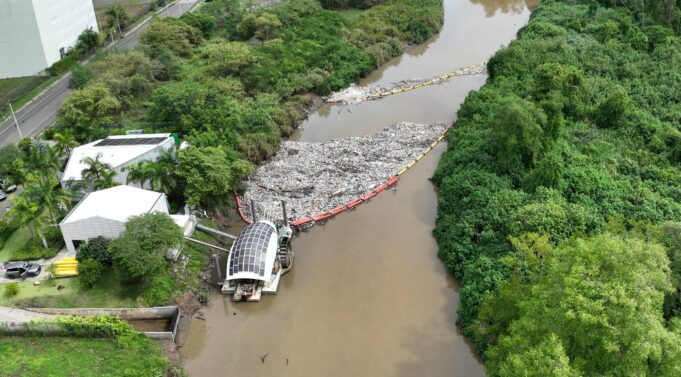
CASE STUDY
Marea Verde
Juan Díaz River, Panama City, Panama
Permits
Four permits were required from three different institutions of government, a process that took around six months. This river plastic capture project was a first-of-its-kind in Panama City, which led to timeline delays but helped establish a new regulatory roadmap with permitting agencies to streamline the process for future similar projects.
Site Selection
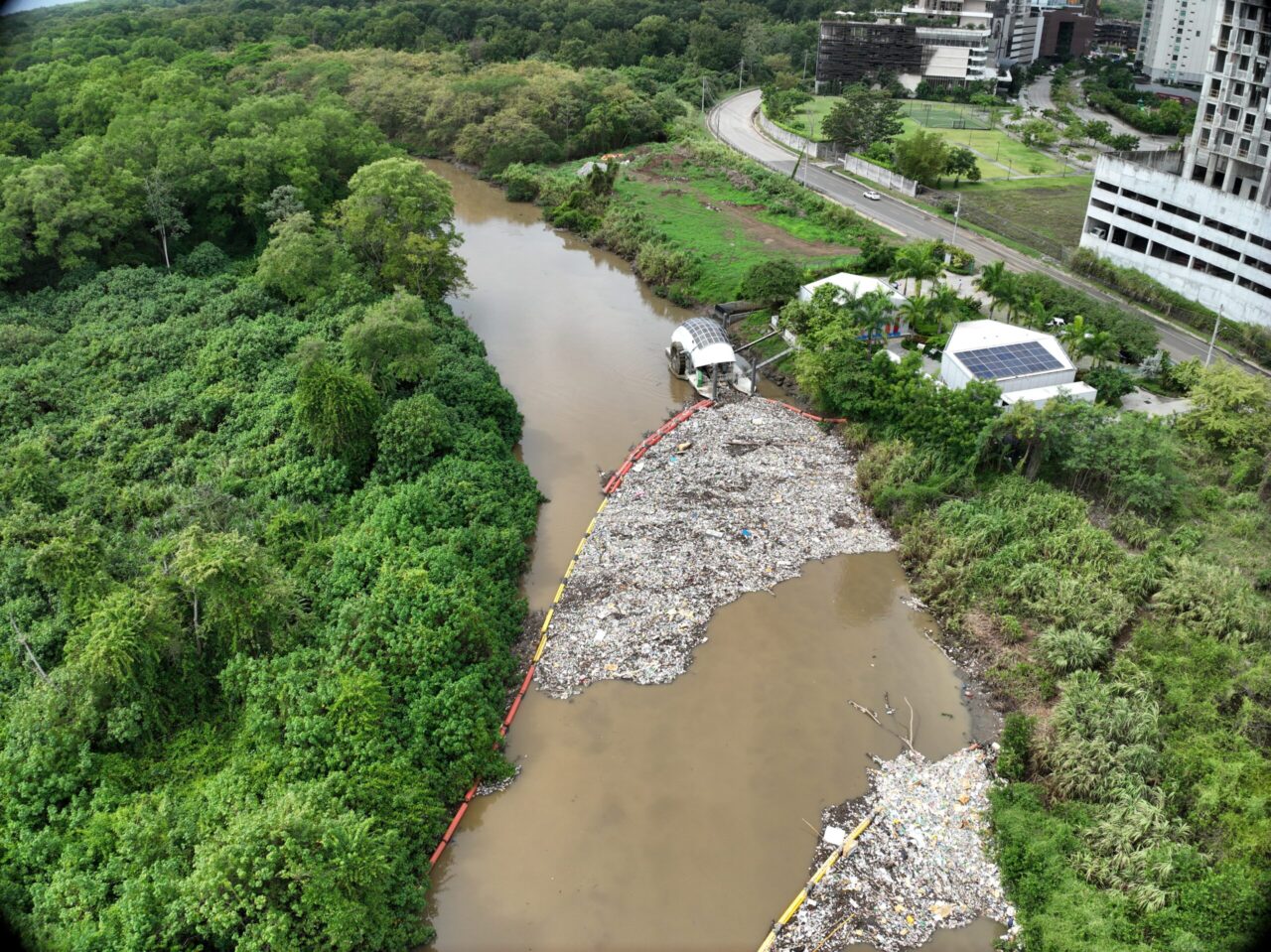
Environmental and social conditions were observed for two prospective sites by analyzing the river conditions (e.g., seasonal flow patterns) and surrounding area (e.g., sufficient space for waste sorting). The selection process was approached with a priority focus on the critical characteristics required for the already chosen trash wheel technology.
Plastic Capture Technology Selection
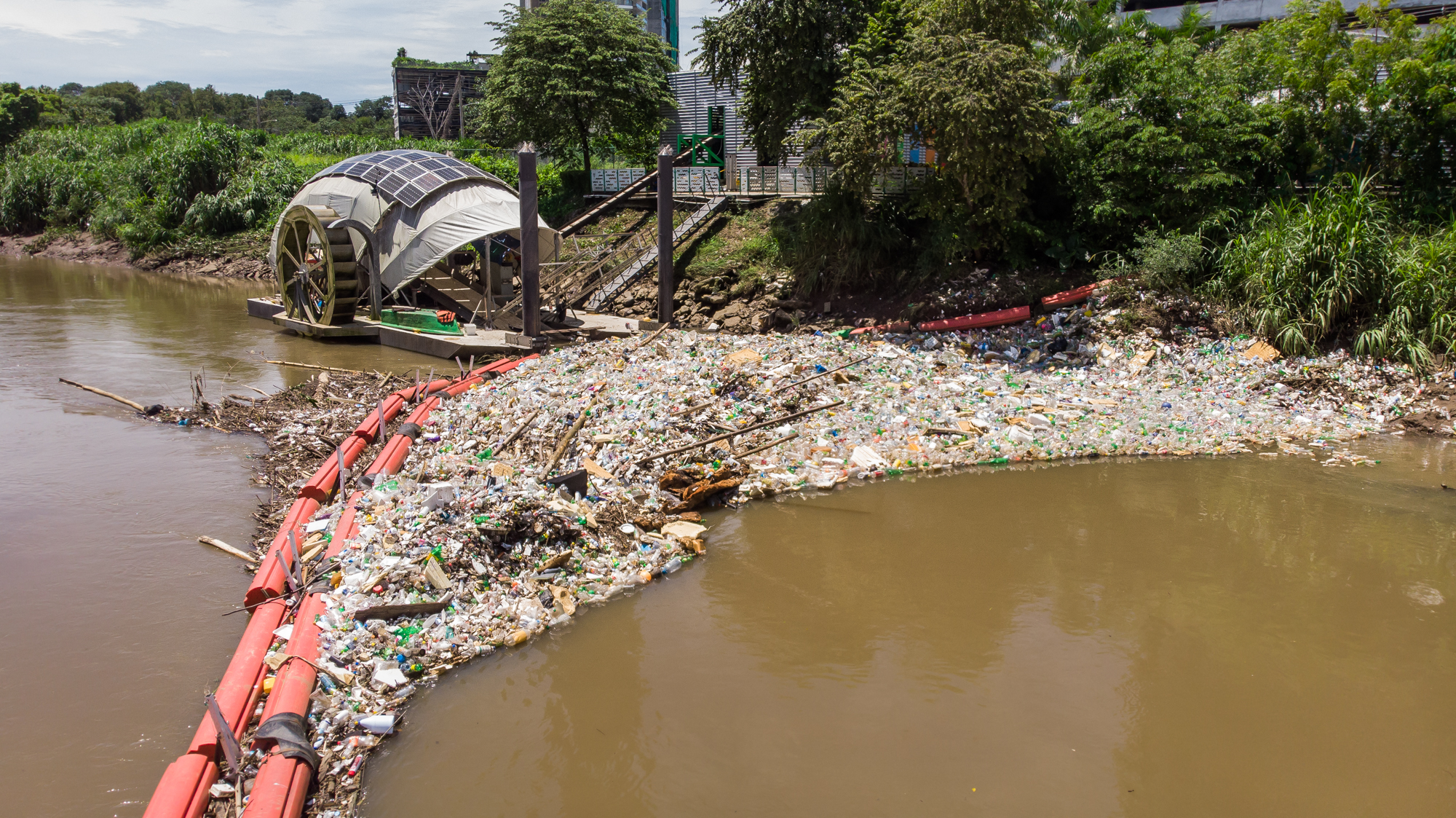
The highly engineered and physically large trash wheel technology was selected to create education, awareness, and communications opportunities knowing that it would be more complex and expensive. Considerations for local conditions including tidal influences, brackish water, and recycling capacities were incorporated into the technology and process design.
Infrastructure Installation, Operations, & Maintenance
Design and budget modifications became necessary during installation upon discovering the local geology and topography required more robust stabilization infrastructure. The tropical, humid, salt-laden air and the large, heavy organic loads transported by the river caused rapid corrosion and excessive stress on the trash wheel which in turn led to frequent maintenance and structural repairs and a secondary boom was added upstream to slow the debris flow.
Data Collection
Simple, streamlined, and sustainable data collection protocols were instituted after the initial plan to collect data on 30+ categories of debris proved to be infeasible. Data were collected on total captured trash, plastic, and recycled plastic, supplemented with occasional random sample sorting exercises to extrapolate more detailed metrics.
Waste Management
Sanitary landfills and traditional mechanical recycling were the sole local waste management options available. Only certain plastic polymers (PET and HDPE) could be recycled, and even some items of these polymers that were captured from the river, such as bottles filled with liquid, were deemed too dirty or degraded to be recycled and were therefore landfilled.
Community Engagement, Investment, & Empowerment
Genuine commitments and investments to empower the local community including job creation, training, and public artwork fostered support and a sense of collective ownership and pride for the project. A neighborhood recycling collection program was established in adjacent communities that lacked waste management services to increase access to recycling opportunities and promote inclusion in solution making.
Communications, Education, & Media
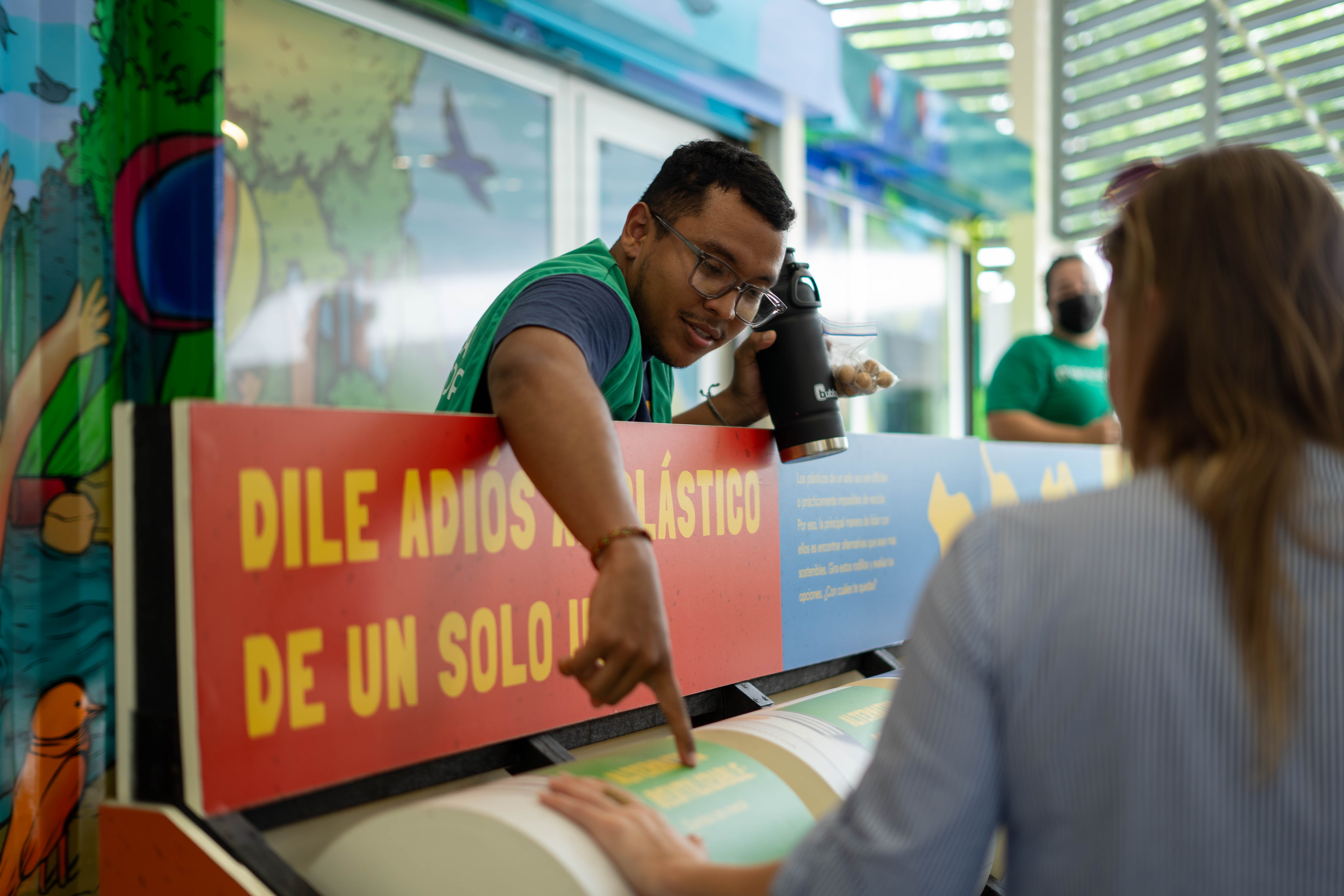
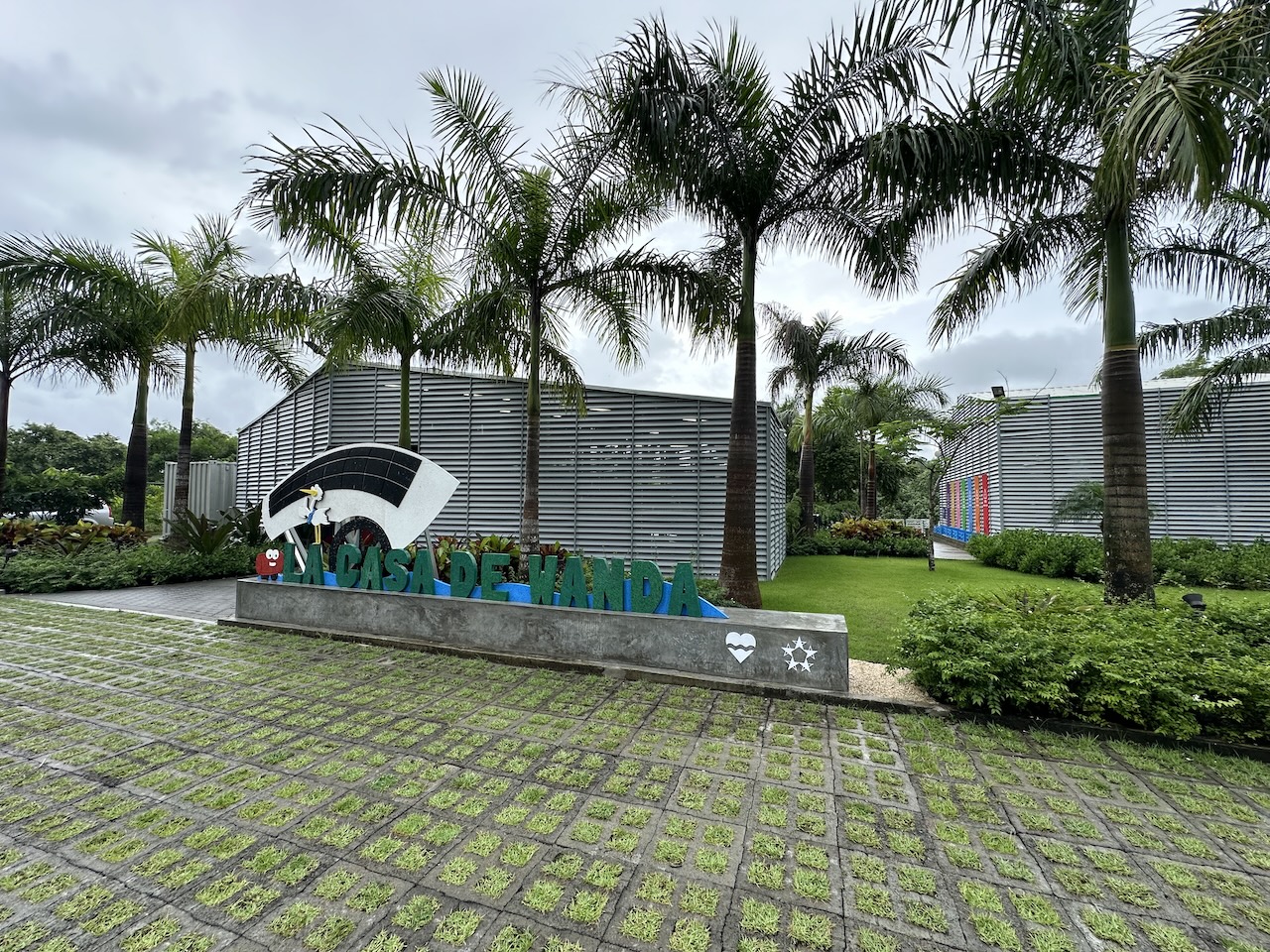
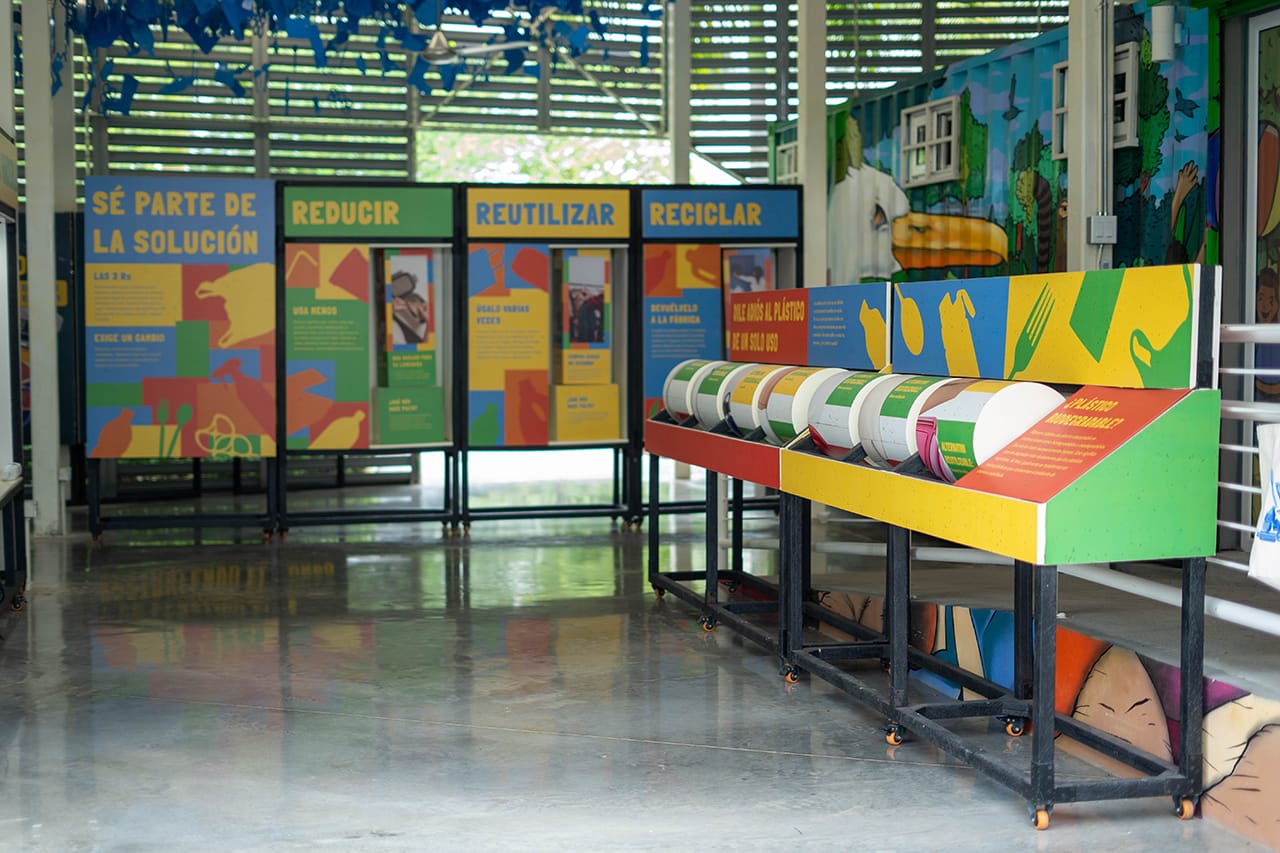
Proactive media outreach capitalized on the charismatic qualities of the trash wheel technology (Wanda) to draw the attention of local, national, and international news outlets and creative marketing collaborations with social media influencers helped reach new audiences. An interactive education center, La Casa de Wanda, allowed visitors to meet Wanda and learn about the challenges of plastic pollution, receiving over 8,000 visitors in its first year of operation.
Finance & Budget
A careful budget that planned for long-term operations was an inherent responsibility of utmost importance to justify the large upfront capital investment of resources and infrastructure associated with the installation of a trash wheel. Grants, individual donor stewardship, corporate giving, and visitor center fees, among other fundraising strategies, were all used to establish a diverse and resilient portfolio of financial support.

Photos
CASE STUDY
TerraCycle Global Foundation
Lat Phrao Canal, Bangkok, Thailand
Permits
The key to acquiring permits in this local context was strong personal relationships with the appropriate stakeholders rather than the details of bureaucratic paperwork. After a year of building trust with officials from six different government agencies, a memorandum of understanding (MoU) was agreed upon with the City of Bangkok that allowed indefinite operations within a defined scope and area.
Site Selection
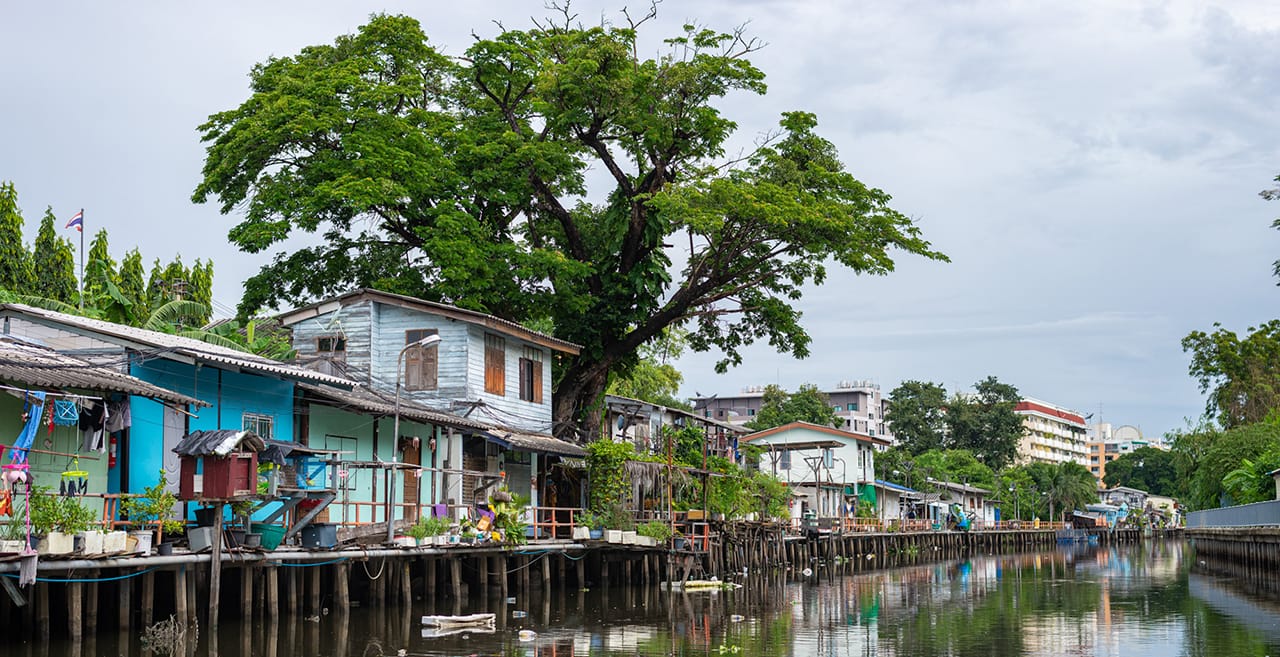
Fifty prospective sites with diverse characteristics – from large rivers and urban areas to small tributaries and rural land – were considered before Lat Phrao Canal was chosen. Site evaluation criteria included high pollution levels, operational accessibility, room for future expansion, and most importantly, an eager and welcoming community that wanted to participate.
Plastic Capture Technology Selection
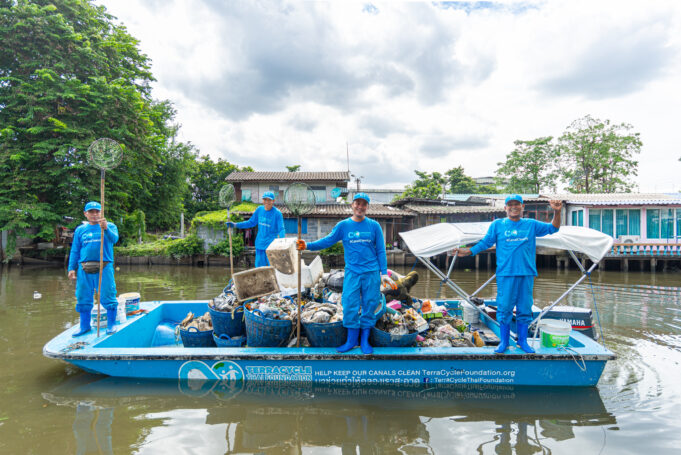
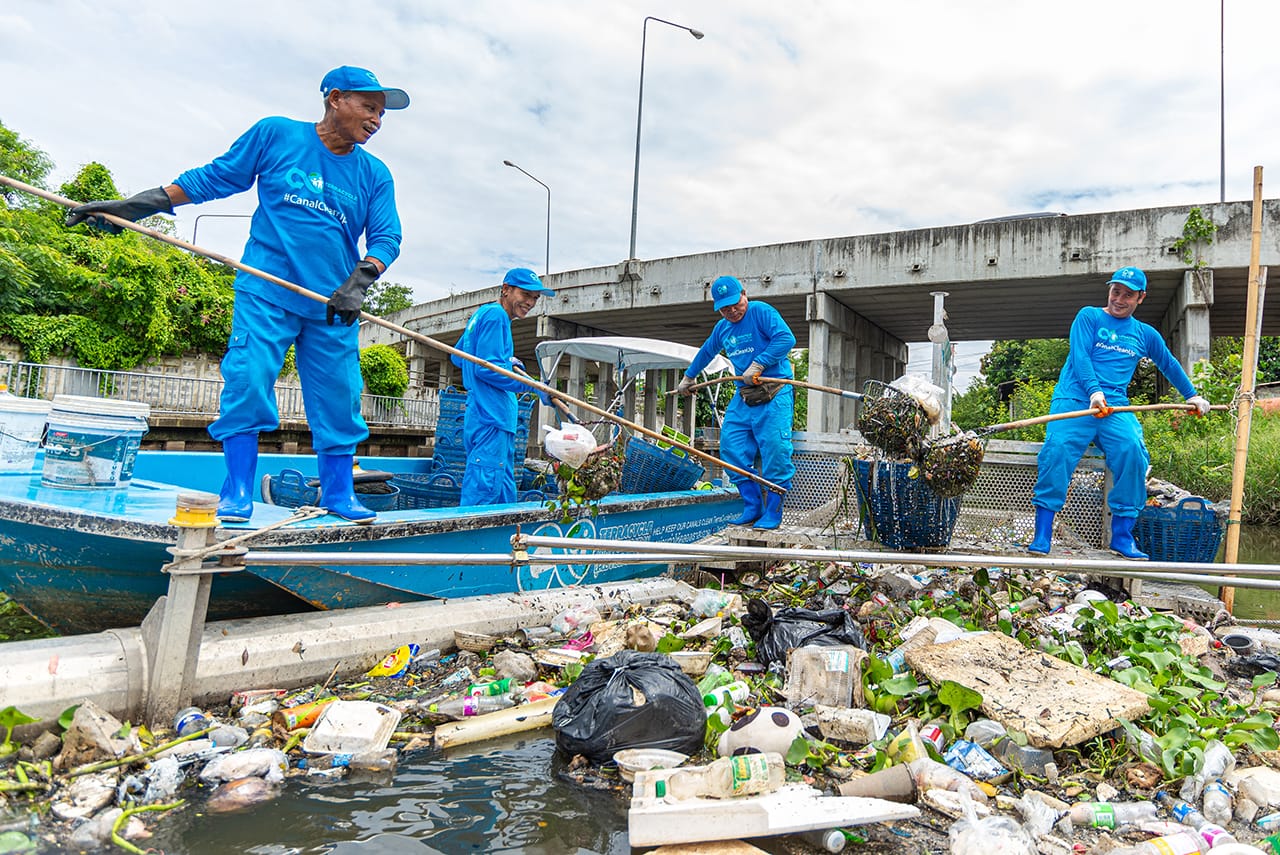
After the site was selected, a variety of technologies and processes were considered under the common baseline requirements that infrastructure be manufactured locally with durable materials and have a modular and easily repaired design. A series of metal trash traps serviced manually by boat met the baseline requirements and emerged as the best fit for the urban channelized environment of Lat Phrao Canal.
Infrastructure Installation, Operations, & Maintenance
Maintenance costs exceeded initial budget allocations as more frequent repairs were required than expected and raw materials experienced steep price increases over time. Efficiencies in daily operations servicing the trash traps and sorting waste were achieved by training, investing in, and empowering employees.
Data Collection
Considerable time and space were dedicated to detailed data collection protocols that included sorting recyclables into polymer and item type classes and random sub-sample sorting of the non-recyclable fraction of collected plastic. This level of detail in data collection is not always feasible for a project but in this case proved to be worth the effort when these data were critical in the audit process to receive plastic credit certification.
Waste Management
High leakage rates in Thai landfills inspired a “No Waste to Landfill” policy where all captured plastic was either recycled or sent to a waste to energy plant. Before selecting the waste to energy plant ultimately used (that adhered to stricter European standards), dozens were toured and thoroughly vetted because of high distrust in an industry that is notorious for vast variations in quality and sustainability.
Community Engagement, Investment, & Empowerment
Community engagement included activities such as empowering local leadership with decision making responsibilities, hiring local catering services at events, and providing assistance to surrounding neighborhoods during emergencies like floods. Operations team members – all local residents with troubled pasts – were provided with reliable employment, fair wages, official uniforms, and safety equipment, which helped them to feel pride, gain community respect, and build a better life.
Communications, Education, & Media
Capacity and expertise limitations made it a challenge to leverage communications efforts like social media campaigns, films, celebrity partnerships, and news coverage as fundraising tools and lowered their priority compared to operational and financial efficiency improvements. Education programs that established recycling centers at schools paired with sustainability lessons for the students were so successful that they became the fastest expanding component of the project.
Finance & Budget
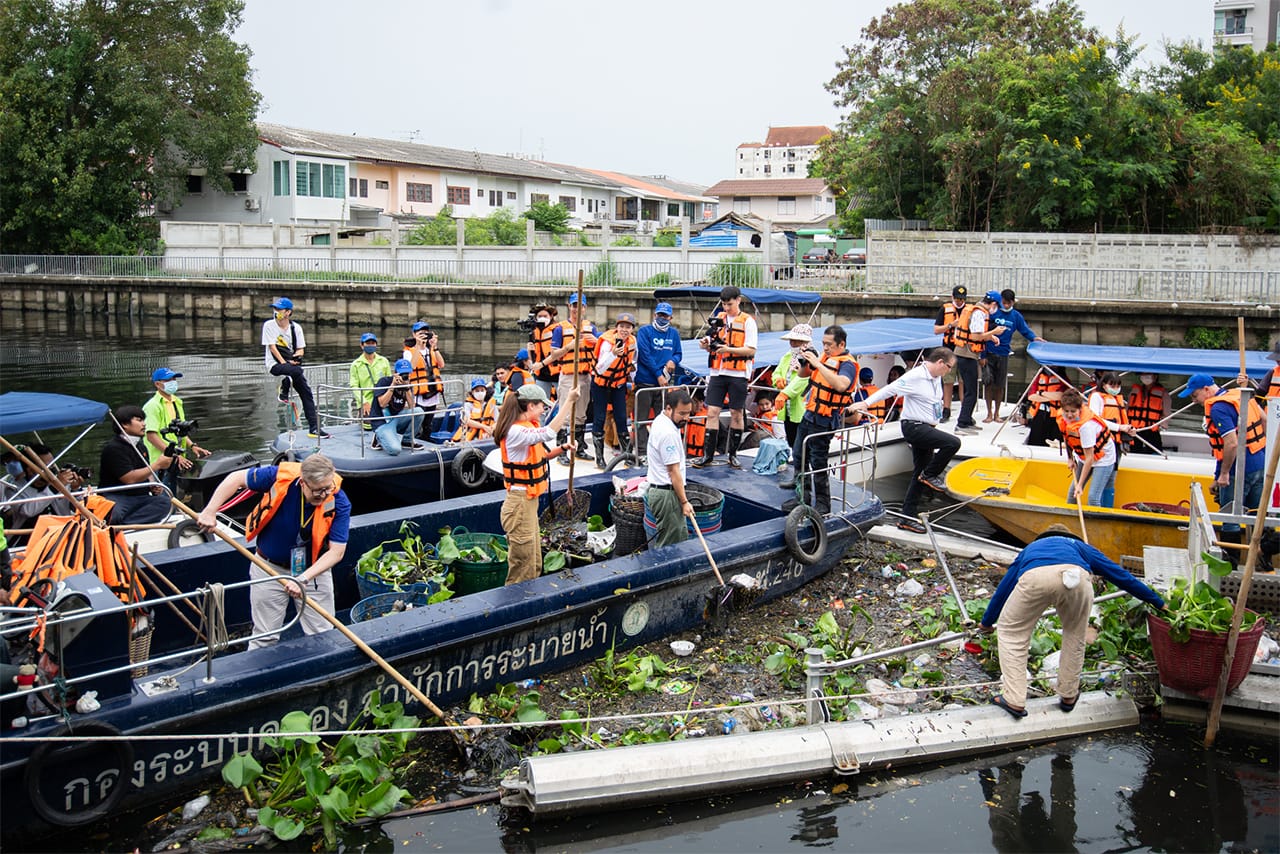
The majority of funding was provided by international sources (mainly from the United States) including family foundations, individual donors, grants, and corporate gifts, in part because philanthropic giving at any level is not common in the local Thai culture. A reliable fundraising stream was hosting paid corporate social responsibility (CSR) events sponsored by companies whose employees visit the site and participate in hands-on, gamified project operations.
Photos
The Handbook
Ready to dive into the details? Check out The Handbook to take a closer look at the practical, boots-on-the-ground insights netted by the Clean Currents Coalition for the implementation and operation of successful river plastic capture projects.